
Dry ends, stubborn frizz or thinning hair? Black seed oil has attracted plenty of attention as a natural hair-care ingredient, with claims ranging from shinier strands to thicker, faster-growing hair.
But how much of that is backed by research?
Is Black Seed Oil Good For Hair?
Black seed oil may help hair look smoother, shinier and less frizzy when applied as a suitable cosmetic product. Its reputation for promoting hair growth, however, is based on much more limited evidence.
One small human study produced interesting results, but there’s an important difference between using oil on your hair, applying a specially formulated scalp treatment and taking black seed oil capsules.
Here’s what black seed oil can realistically offer, what the science says and how to get the most from it.
What Is Black Seed Oil?
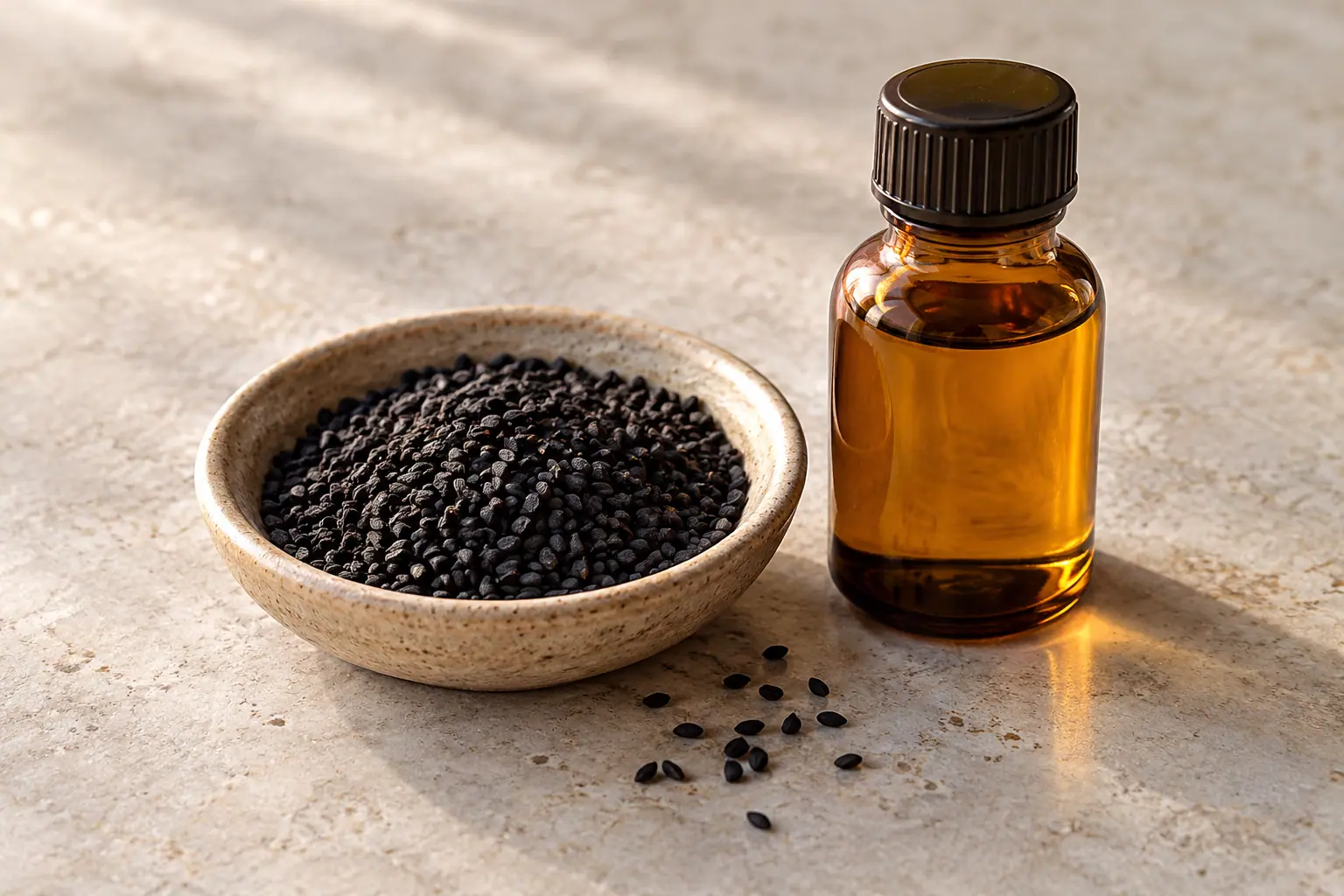
Black seed oil comes from the seeds of Nigella sativa, a flowering plant native to parts of Asia and the Mediterranean region. It’s also commonly called black cumin seed oil.
Used for centuries in traditional practices, it has become a popular ingredient in beauty products and food supplements.
The oil naturally contains several interesting compounds, including:
- Linoleic acid: An omega-6 fatty acid found in many plant oils.
- Oleic acid: An omega-9 fatty acid that contributes to the oil’s composition.
- Thymoquinone: A naturally occurring compound researched for its antioxidant and anti-inflammatory properties.
A published chemical analysis of Nigella sativa oil identified these fatty acids, although their proportions can differ between products.
So why does any of this matter for your hair?
The oil’s fatty-acid composition makes it suitable for use in cosmetic formulations that coat and condition the hair. Thymoquinone is particularly interesting to researchers, but its presence alone doesn’t mean an oil can stimulate hair growth.
3 Potential Benefits of Black Seed Oil for Hair
Black seed oil’s most practical hair-care benefits relate to the appearance and feel of your strands.
1. Smoother, Softer-Feeling Hair
Dry hair often feels rough, particularly towards the ends, where strands have experienced more washing, brushing and heat styling.
A small amount of a suitable hair oil can coat the strands, helping them feel smoother and easier to handle.
Black seed oil may be a useful addition to hair cosmetics designed for this purpose, especially if your ends look dry or lack shine.
What to expect: A temporary improvement in how your hair feels and looks, rather than permanent repair of damaged strands.
2. Less Noticeable Frizz and Flyaways
Frizz can make otherwise healthy hair difficult to style.
Applying a little oil to the lengths and ends may help smooth the appearance of flyaways, creating a more polished finish.
The result depends on your hair type, how much product you use and the rest of your styling products.
If you have fine hair, start with a very small amount. Thicker or curlier hair may tolerate a richer application.
3. Improved Appearance of Dry Ends
Split ends and breakage are common concerns, particularly when hair is exposed to regular heat styling, chemical treatments or vigorous brushing.
Although an oil may temporarily make damaged ends look smoother, it cannot permanently repair a split hair strand.
Conditioner and gentle handling remain important.
The American Academy of Dermatology recommends using conditioner to help reduce breakage, split ends and frizz.
The takeaway: Think of black seed oil as a possible finishing or conditioning ingredient, not a replacement for good hair care.
Does Black Seed Oil Help Hair Growth?
This is where black seed oil becomes particularly interesting.
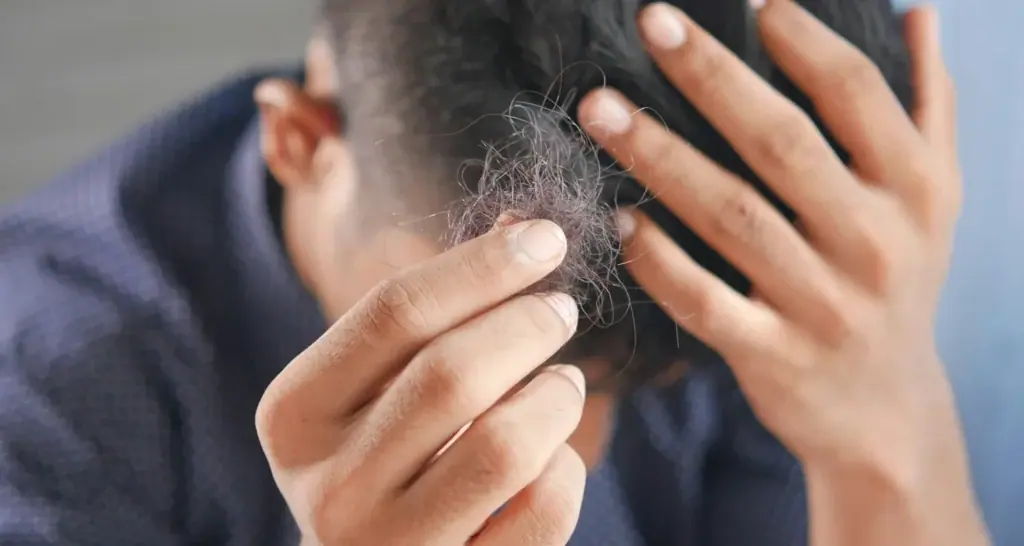
You’ve probably seen claims that it stimulates hair follicles, increases thickness or even reverses hair loss.
There is some preliminary research worth discussing, but it’s important to understand exactly what was tested.
What Did the Research Find?
A 2013 pilot study published in the Journal of Cosmetics, Dermatological Sciences and Applications investigated Nigella sativa in 20 women experiencing telogen effluvium, a form of excessive hair shedding.
The participants were divided into two groups:
- Ten women applied a scalp lotion containing 0.5% Nigella sativa essential oil.
- Ten women used a placebo lotion.
Both groups followed their assigned treatment daily for three months.
The researchers reported improvement in seven of the ten women using the active lotion, alongside increases in measured hair density and thickness.
That’s an interesting result, but it isn’t proof that black seed oil regrows hair.
The study was small and examined one particular formulation in women with a specific type of hair shedding.
It did not establish that ordinary cold-pressed oil, cosmetic hair products or oral black seed oil supplements produce the same results.
What About Thymoquinone?
Thymoquinone is one of black seed oil’s best-known naturally occurring compounds.
Researchers have investigated its effects on biological processes involving oxidation and inflammation.
For example, laboratory research involving human skin cells has explored how thymoquinone influences certain cellular responses.
However, laboratory findings cannot tell us whether applying black seed oil will improve hair growth in people.
Larger, well-designed human studies are needed before stronger conclusions can be drawn.
How to Use Black Seed Oil on Your Hair
Interested in trying black seed oil for yourself?
The key is choosing a product intended for topical hair application and using an amount that suits your hair.
Step 1: Choose the Right Oil
Look for a cosmetic product containing Nigella sativa oil.
Cold-pressed seed oil and concentrated black seed essential oil are different preparations. Don’t assume concentrated essential oil can be applied directly to your skin or scalp.
Check the ingredients and follow the manufacturer’s instructions.
Step 2: Start With Your Hair Ends
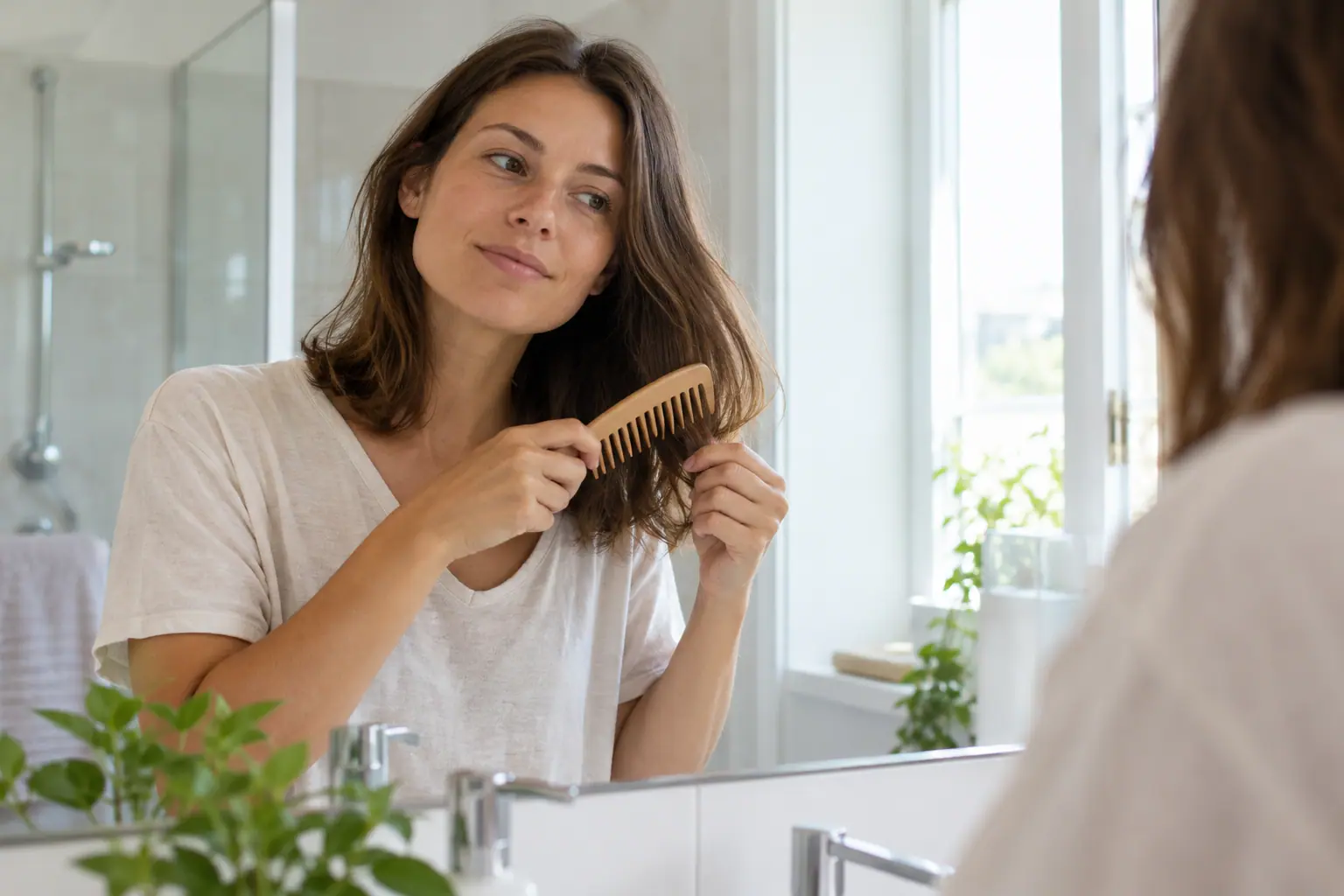
If your chosen product is suitable for leave-in use, begin with a small amount.
Spread it between your fingertips, then work it gently through the ends of dry or slightly damp hair.
Avoid applying large amounts near the roots, particularly if your hair becomes greasy easily.
Step 3: Adjust for Your Hair Type
Fine or straight hair may only need a tiny amount to achieve a smoother finish.
Thicker, coarser or curlier hair might need more product, depending on its condition and texture.
The aim is to leave your hair looking soft and manageable, not coated in excess oil.
Step 4: See How Your Hair Responds
Notice how your hair looks and feels after styling.
Does it seem smoother? Are the ends easier to manage? Has the product made your hair feel heavy?
Those observations are more useful for judging cosmetic results than following a fixed schedule.
Remember that oil isn’t a substitute for heat protection when using heated styling tools.
Can You Apply Black Seed Oil to Your Scalp?
Some hair products containing black seed oil are intended for scalp application, while others are designed primarily for the lengths and ends.
Before applying anything to your scalp, check the product’s intended use and test it on a small area as directed.
Be especially careful if you have sensitive skin or an existing scalp condition.
Black seed oil isn’t an established treatment for dandruff, eczema, psoriasis or other scalp disorders.
If you experience persistent itching, soreness, redness or flaking, seek advice from a pharmacist or GP.
How Often Should You Use Black Seed Oil?
There’s no scientifically established application schedule for ordinary black seed oil hair products.
Some people may prefer a little oil after washing, while others might use a suitable wash-off product before shampooing.
Your hair type, the product’s formulation and the results you want will determine what works best.
Can You Leave Black Seed Oil in Overnight?
Some pressed oils are marketed for overnight use, but leaving an oil on your hair longer doesn’t mean it will make hair grow faster.
Only leave a product on overnight if its instructions allow it.
Keep in mind that rich oils may transfer onto bedding and can require additional washing to remove.
Black Seed Oil for Hair vs Black Seed Oil Capsules
One important distinction often gets overlooked: applying black seed oil to your hair and taking it as a supplement are two completely different uses.
Topical hair products are formulated for external application and may improve the cosmetic appearance of dry hair.
Black seed oil supplements are designed to be swallowed, providing a measured quantity of oil as part of your diet.
The small hair-growth study discussed earlier investigated a topical scalp lotion, not oral supplements.
Therefore, its findings cannot be used as evidence that swallowing black seed oil capsules improves hair thickness or growth.
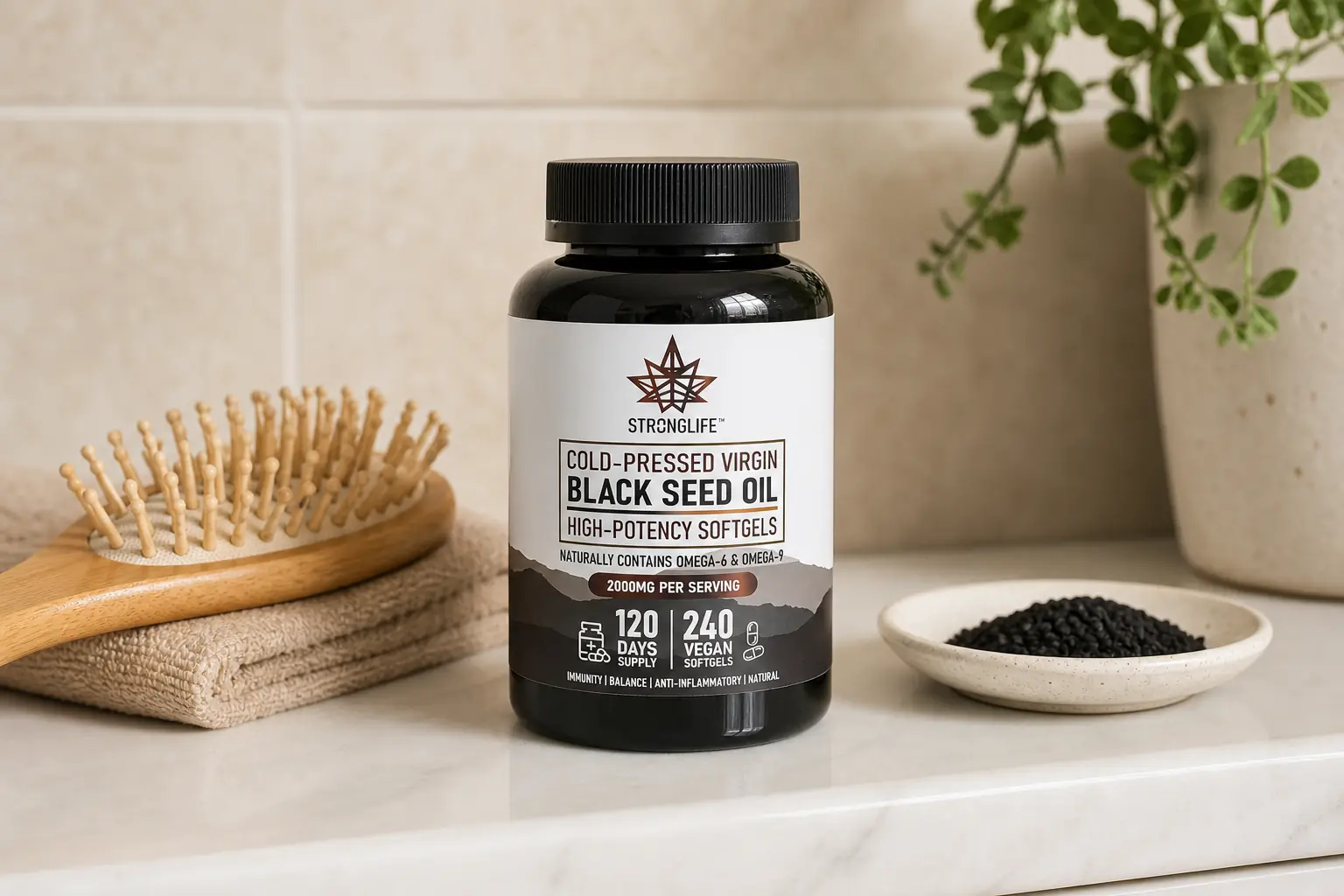
Discover Stronglife Black Seed Oil Softgels
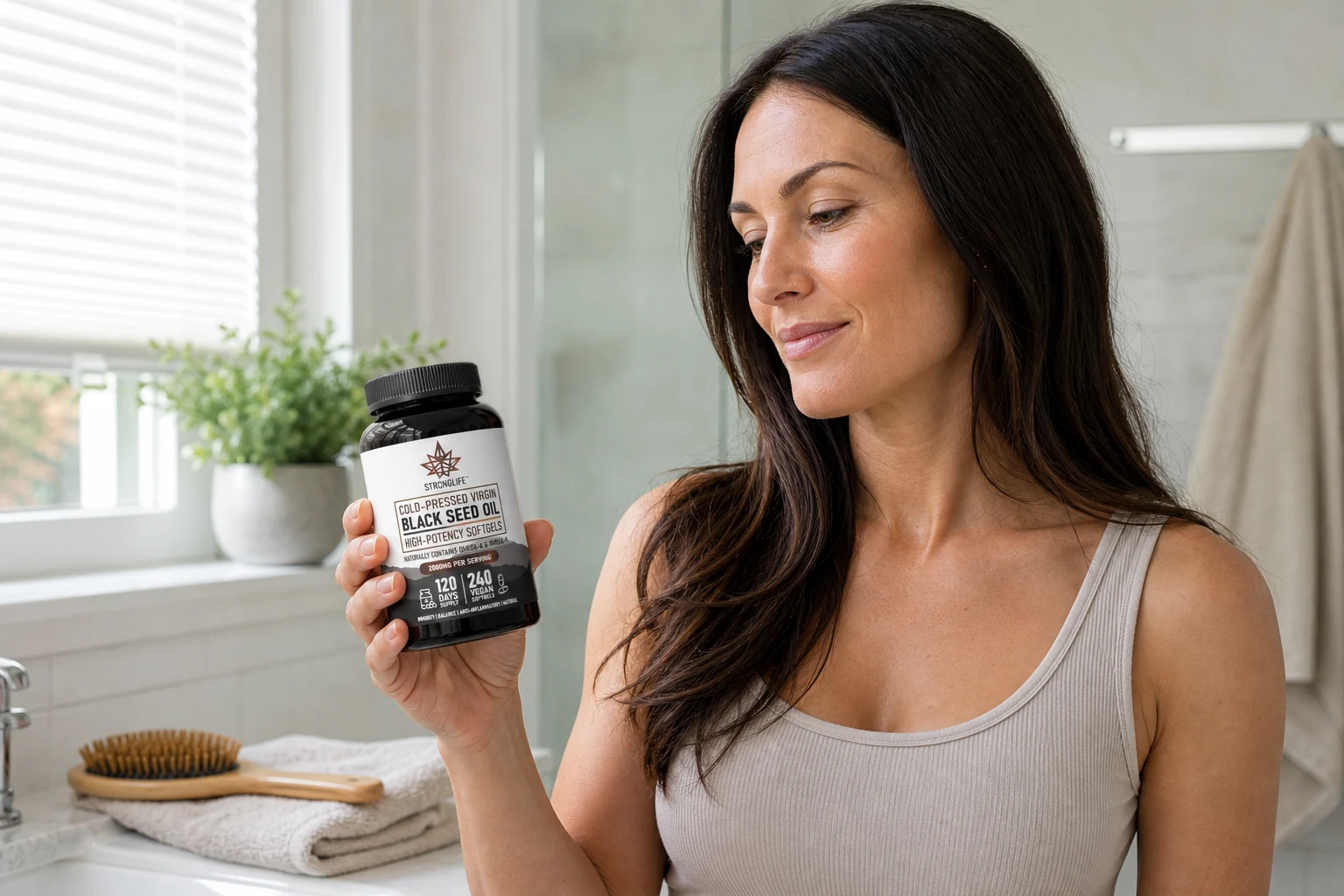
If you’re interested in black seed oil as a dietary supplement rather than a hair cosmetic, explore our Stronglife Black Seed Oil Softgels.
Our formula features:
- 2,000mg cold-pressed black seed oil per two-softgel serving
- Standardised to 3% thymoquinone
- Added vitamin E, which contributes to the protection of cells from oxidative stress
- 240 vegan-friendly softgels, providing a 120-day supply at the labelled serving
Designed for oral use, our softgels provide a measured way to take Nigella sativa oil without its distinctive taste.
They are not a topical hair-care product or a proven hair-growth treatment.
Explore Stronglife Black Seed Oil Softgels

Frequently Asked Questions
How Long Does Black Seed Oil Take to Work on Hair?
If you’re using a suitable hair cosmetic for shine or smoother-looking ends, you may notice a difference as soon as you’ve applied and styled it.
There is no established timeframe for hair growth using ordinary black seed oil. The small human study discussed earlier assessed a specific scalp lotion over three months, which cannot predict results from other products.
Will Black Seed Oil Make Fine Hair Greasy?
It can, especially when too much is applied.
Fine hair may become weighed down by rich oils, so begin with a tiny amount on the ends and adjust according to the finish.
Can You Use Black Seed Oil on Coloured Hair?
Check that your chosen product is suitable for colour-treated hair.
If your hair has recently been bleached, dyed or chemically treated, consider testing a small section first.
Can You Apply the Oil From Black Seed Oil Capsules to Your Hair?
It’s better to use a cosmetic product made for external application.
Black seed oil softgels are formulated and labelled for oral consumption, not for use as a hair treatment.
The Verdict: Is Black Seed Oil Worth Trying for Hair?
Black seed oil has potential as a cosmetic hair-care ingredient, particularly for people who want smoother-looking ends, added shine and help managing frizz.
The evidence for hair growth is much less certain.
While a small clinical study has produced encouraging findings with a specific Nigella sativa scalp lotion, more substantial research is needed before black seed oil can be considered an effective hair-growth treatment.
If your main concern is dryness or styling, a suitable black seed oil cosmetic may be worth exploring.
If you’re worried about thinning or excessive shedding, identifying the cause should take priority.
And if your interest is in black seed oil as a botanical food supplement, you can explore Stronglife’s cold-pressed Black Seed Oil Softgels and learn more about their ingredients and formulation.