
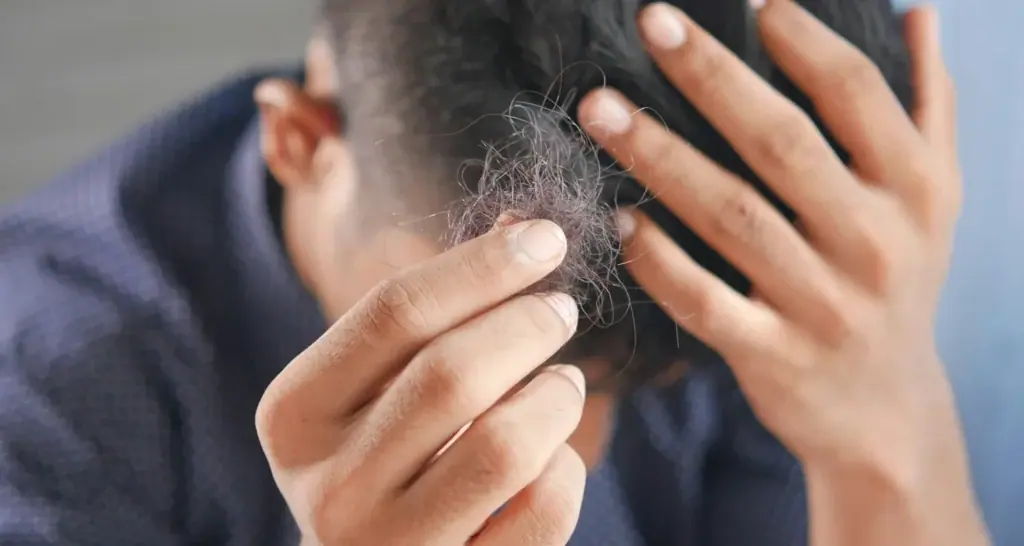
Finding more hair than usual in your brush or shower can be worrying, particularly when you don’t know what’s causing it. You might immediately think about stress, hormones or the products you’re using, but could a vitamin deficiency be responsible?
Vitamin B12 often comes up in discussions about hair loss, and for good reason. It plays an important role in healthy red blood cell production, DNA synthesis and several processes your body relies on every day.
But can vitamin B12 deficiency cause hair thinning? And if your levels are low, could increasing your B12 intake help your hair grow back?
Let’s look at what the research says, the signs of deficiency worth recognising and whether vitamin B12 supplements could make a difference.
Can Vitamin B12 Deficiency Cause Hair Thinning?
Vitamin B12 deficiency may contribute to hair thinning in some circumstances, although the scientific evidence linking the two is still limited.
Hair growth depends on several factors, including genetics, hormones, overall health and adequate nutrition. When your body isn’t getting the nutrients it needs, certain processes involved in normal hair growth may be affected.
However, there is currently insufficient evidence to establish vitamin B12 deficiency as a common direct cause of hair loss.
This is an important distinction because not everyone with thinning hair has a nutritional deficiency, and taking additional B12 won’t necessarily solve the problem.
If you’re noticing changes in your hair, understanding whether you have an actual deficiency is a better starting point than immediately reaching for a supplement.

How Does Vitamin B12 Affect Hair Health?
Vitamin B12, also known as cobalamin, is a water-soluble vitamin involved in several essential functions throughout the body.
It helps with:
- Red blood cell production: Supporting the formation of healthy red blood cells that transport oxygen around the body.
- DNA synthesis: Helping your body produce DNA, which is necessary for normal cell division.
- Nervous system function: Maintaining processes that support healthy nerves.
- Energy metabolism: Helping your body release energy from the food you eat.
So, where does your hair fit into this?
Hair follicles contain rapidly dividing cells responsible for producing new hair. Because vitamin B12 is involved in DNA synthesis, researchers have explored whether insufficient levels could influence follicle function.
There is also a possible indirect connection through red blood cells. Severe B12 deficiency can cause anaemia, affecting the body’s ability to transport oxygen efficiently.
However, these biological connections don’t automatically mean that taking more vitamin B12 will make your hair grow faster or thicker. Having enough B12 supports normal bodily functions. Taking more than you need hasn’t been shown to provide additional hair-growth benefits.

What Does the Research Say About Vitamin B12 and Hair Loss?
Research into vitamins and hair loss has produced some interesting findings, but the results aren’t always consistent.
A 2024 systematic review published in Molecular Nutrition & Food Research examined 49 studies investigating the relationship between micronutrients and androgenetic alopecia, commonly known as male or female pattern hair loss.
Researchers identified potential associations involving several vitamins and minerals, including B vitamins, vitamin D, iron and zinc. However, some studies found no significant associations, highlighting the limitations of the available evidence.
It’s also worth noting that the review examined several B vitamins rather than establishing vitamin B12 deficiency as an independent cause of hair loss.
Does Taking More B12 Improve Hair Growth?
This is where the evidence becomes less convincing.
Although correcting a vitamin deficiency is important for your health, research hasn’t established that additional B12 improves hair growth in people who already have adequate levels. In other words, there is a difference between supporting normal nutritional health and using a vitamin as a treatment for hair loss.
If your hair is thinning because of genetics, hormonal changes or another medical condition, increasing your B12 intake alone is unlikely to address the underlying cause.

What Does Hair Thinning From B12 Deficiency Look Like?
There isn’t a specific pattern of hair loss that can reliably identify a vitamin B12 deficiency.
Some people experiencing nutritional problems notice more general shedding rather than hair loss concentrated in one area.
This type of increased shedding can occur with a condition called telogen effluvium, although vitamin B12 deficiency hasn’t been established as a consistent cause.
What Is Telogen Effluvium?
Your hair naturally moves through different stages of growth.
During the growing phase, known as anagen, hair follicles actively produce new hair. Eventually, hairs enter a resting phase before being shed and replaced.
Telogen effluvium occurs when more hairs than usual enter the resting phase, leading to noticeable shedding.
It can develop following several events, including:
- Significant emotional or physical stress
- Illness or high fever
- Rapid weight loss
- Childbirth
- Certain nutritional deficiencies
- Major surgery
Interestingly, the shedding may not become noticeable until several months after the original trigger.
According to the NHS, losing between 50 and 100 hairs per day is normal.
However, if you’re noticing considerably more hair falling out, a widening parting or changes in overall thickness, it’s worth investigating.

What Are the Symptoms of Vitamin B12 Deficiency?
Hair thinning alone isn’t a reliable indicator of low vitamin B12.
The more established signs of deficiency usually affect your energy levels, nervous system and general wellbeing.
According to the NHS guidance on vitamin B12 deficiency, possible symptoms include:
- Persistent tiredness: Feeling unusually fatigued or lacking energy.
- Muscle weakness: Experiencing reduced strength or difficulty with everyday activities.
- Pins and needles: Tingling or numbness, particularly in the hands and feet.
- Difficulty concentrating: Problems with memory, attention or mental clarity.
- A sore or red tongue: Changes affecting the appearance or comfort of your tongue.
- Balance problems: Feeling unsteady or experiencing difficulties with coordination.
Some people also experience breathlessness, headaches or changes in mood.
Not everyone develops the same symptoms, and their severity can vary considerably.
Can You Have B12 Deficiency Without Anaemia?
Yes. It’s possible to have vitamin B12 deficiency without developing anaemia.
This means a normal blood count doesn’t necessarily rule out a deficiency, particularly if you’re experiencing neurological symptoms.
The NICE guidelines specifically advise healthcare professionals not to rule out B12 deficiency based only on the absence of anaemia or enlarged red blood cells.
If you’re experiencing persistent tiredness, tingling, numbness or balance problems, speak to your GP rather than assuming your symptoms are caused by a lack of sleep or stress.
Early diagnosis matters because untreated B12 deficiency can sometimes cause lasting neurological problems.

What Causes Vitamin B12 Deficiency?
There are several reasons why your vitamin B12 levels might become low.
While inadequate dietary intake is one possibility, your body’s ability to absorb the vitamin can be just as important.
Not Getting Enough B12 From Food
Vitamin B12 occurs naturally mainly in animal-derived foods, including meat, fish, eggs and dairy products.
This means people following vegan diets may be more likely to develop a deficiency if they don’t consume fortified foods or suitable supplements.
Highly restrictive diets can also reduce B12 intake.
Problems Absorbing Vitamin B12
Even if you regularly eat foods containing vitamin B12, your body might not absorb enough of it.
Certain conditions affecting the stomach or intestines can interfere with absorption.
These include autoimmune gastritis, Crohn’s disease and some complications following gastrointestinal surgery.
Autoimmune gastritis can interfere with the production of intrinsic factor, a protein needed to absorb vitamin B12.
This helps explain why someone can develop a deficiency despite eating a balanced diet.
Certain Medications
Some medications can affect B12 levels when used over an extended period.
Examples include metformin, commonly prescribed for type 2 diabetes, and proton pump inhibitors used to reduce stomach acid.
If you’re taking either medication and experiencing possible deficiency symptoms, discuss testing with your GP.
Don’t stop taking prescribed medication without medical advice.
Increasing Age
Vitamin B12 deficiency becomes more common with age.
Changes affecting stomach function and nutrient absorption can make it more difficult for older adults to obtain enough B12 from food.
This is particularly relevant when unexplained fatigue, weakness or neurological symptoms develop.
How Do You Know If Your B12 Levels Are Low?
If you’re worried about hair thinning alongside possible deficiency symptoms, a blood test can help determine whether vitamin B12 needs further investigation.
Your GP will usually consider your symptoms, medical history, diet and any medications you’re taking.
Depending on your circumstances, testing may include:
| Test | What It Can Help Identify |
|---|---|
| Total or active vitamin B12 | Whether your B12 status suggests a possible deficiency |
| Full blood count | Signs of anaemia or changes in blood cells |
| Folate | Whether another B vitamin deficiency is present |
| Methylmalonic acid (MMA) | Additional evidence of B12 deficiency when initial results are uncertain |
It’s important to understand that hair loss itself doesn’t confirm a vitamin deficiency.
Your GP may also investigate other possible causes, including iron deficiency or thyroid problems.
Should You Take B12 Before Getting Tested?
If you suspect a deficiency, it’s generally better to speak to your GP before starting new vitamin B12 supplements.
This is because supplementation can influence blood test results, potentially making a deficiency more difficult to assess.
NICE recommends collecting diagnostic blood samples before beginning replacement treatment where appropriate.
However, treatment should not be delayed in certain circumstances, particularly where serious neurological problems are suspected.
If you’re already taking a supplement, tell your GP which product you use and how much vitamin B12 it contains.

Which Foods Contain Vitamin B12?
For many people, eating a balanced diet provides enough vitamin B12 to meet their daily requirements.
According to the NHS, adults aged 19 to 64 need approximately 1.5 micrograms of vitamin B12 per day.
Some common dietary sources include:
| Food | Why It’s Relevant |
|---|---|
| Beef, chicken and other meats | Naturally contain vitamin B12 |
| Salmon, sardines and other fish | Provide dietary B12 |
| Eggs | Contain vitamin B12 |
| Milk, cheese and yoghurt | Common B12 sources for people who consume dairy |
| Fortified breakfast cereals | Can provide B12 without animal-derived ingredients |
| Fortified plant-based drinks | Useful alternatives when vitamin B12 has been added |
If you follow a vegan diet, it’s important to choose reliable sources of vitamin B12.
Not every plant-based milk or breakfast cereal is fortified, so checking the nutrition label can help you understand what you’re getting.
However, increasing your dietary intake may not be enough if an absorption problem is responsible for a confirmed deficiency.

Can Vitamin B12 Supplements Help With Hair Thinning?
Vitamin B12 supplements can be useful when someone isn’t obtaining enough of the vitamin through their diet or needs additional intake for another established reason.
However, there’s an important distinction between correcting low B12 levels and treating hair loss.
If you have a confirmed deficiency, your doctor may recommend oral B12 replacement or injections, depending on the cause.
If your B12 levels are already adequate, there isn’t convincing evidence that taking additional B12 will make your hair thicker or stimulate new growth.
This is why understanding your nutritional needs matters more than choosing a supplement simply because it’s marketed for hair health.
What About Methylated B Vitamin Supplements?
You may have noticed that some supplements contain methylcobalamin, a form of vitamin B12 often described as methylated B12.
Methylcobalamin is one of several forms of B12 used in food supplements. Others include cyanocobalamin and adenosylcobalamin.
Methylated B vitamin complexes often combine B12 with other B vitamins involved in energy metabolism and normal bodily functions.
For example, Stronglife Methylated Vitamin B Complex Capsules contain all eight essential B vitamins, including:
- Vitamin B12 (methylcobalamin): 15µg per capsule.
- Folate (L-5-methyltetrahydrofolate): 200µg per capsule.
- Biotin (vitamin B7): 150µg per capsule.
- Vitamin B6 (pyridoxal-5-phosphate): 10mg per capsule.
The formula comes in a pack of 180 vegan capsules, with a recommended serving of one capsule per day.
Vitamin B12 contributes to normal red blood cell formation, normal energy-yielding metabolism and the reduction of tiredness and fatigue.
For someone comparing everyday B vitamin supplements, this provides a way to obtain several B vitamins in one formula.
However, it isn’t a treatment for hair loss, and methylated B12 hasn’t been established as superior for hair growth.
If you suspect or have been diagnosed with B12 deficiency, follow your healthcare professional’s advice on the appropriate form and dose of replacement.

Will Hair Grow Back After Treating Vitamin B12 Deficiency?
Whether your hair grows back depends on why the thinning started.
If a nutritional deficiency has contributed to temporary shedding, correcting the underlying problem may help restore normal hair growth over time.
However, vitamin B12 replacement cannot guarantee regrowth, particularly when genetics, hormonal changes or another condition is responsible.
How Long Could It Take?
Hair growth happens gradually, so visible changes can take several months.
There’s currently no established timeframe for hair regrowth specifically following B12 replacement.
NICE advises that symptoms of B12 deficiency may begin improving within two weeks of treatment, although some take up to three months or longer.
These timescales refer to deficiency symptoms generally, not hair growth.
If your B12 levels improve but your hair continues thinning, it may be worth investigating other possible causes.
What Else Can Cause Hair Thinning?
Although nutritional deficiencies sometimes receive considerable attention, they’re only one part of the wider picture.
Other possible causes of hair thinning include:
- Genetics: Male and female pattern hair loss can gradually reduce hair density.
- Iron deficiency: Low iron levels can contribute to increased shedding.
- Stress: Significant physical or emotional stress may disrupt the normal hair growth cycle.
- Hormonal changes: Pregnancy, childbirth, menopause and thyroid conditions can affect hair growth.
- Rapid weight loss: Significant dietary changes or insufficient nutrition may contribute to temporary shedding.
- Certain medicines: Some treatments can affect hair growth or shedding.
There are also plenty of misconceptions surrounding everyday supplements and hair loss.
For example, if you take creatine and have concerns about thinning, our guide on whether creatine causes hair loss explores what the evidence actually shows.
Similarly, our article on black seed oil for hair looks at the difference between cosmetic hair care and claims about stimulating hair growth.
If you’re noticing persistent thinning, sudden shedding, bald patches or scalp changes, speaking to your GP can help establish what’s responsible.

Frequently Asked Questions
Can Low Vitamin B12 Cause Hair Thinning in Women?
Low vitamin B12 may be associated with hair thinning in some circumstances, although a direct causal relationship hasn’t been clearly established.
Other common factors include iron deficiency, hormonal changes, thyroid problems and female pattern hair loss.
If you’re experiencing unusual shedding alongside fatigue or neurological symptoms, speak to your GP about whether testing is appropriate.
Does Vitamin B12 Make Hair Grow Faster?
There isn’t sufficient scientific evidence that taking additional vitamin B12 increases hair growth speed in people with normal B12 levels.
Correcting an existing deficiency is important for health, but that doesn’t automatically mean faster hair growth.
Can Vitamin B12 Deficiency Cause Permanent Hair Loss?
There isn’t enough evidence to establish vitamin B12 deficiency as a direct cause of permanent hair loss.
Some forms of hair shedding are temporary, while others, such as hereditary pattern hair loss, may be progressive.
Whether your hair recovers depends on the underlying cause.
How Much Vitamin B12 Should I Take for Hair Growth?
There is no established vitamin B12 dose specifically recommended for hair growth.
The NHS recommends approximately 1.5 micrograms daily for adults aged 19 to 64 as a normal dietary requirement.
However, doses used to treat diagnosed deficiency can be considerably higher and should follow appropriate medical guidance.
Are Two Eggs Enough Vitamin B12 for the Day?
Eggs contain vitamin B12, but the amount varies depending on their size.
Whether two eggs provide enough depends on the rest of your diet and your individual nutritional needs.
Including other B12 sources, such as fish, dairy products or fortified foods, can help you meet your daily requirements.
Can You Have Low B12 Without Anaemia?
Yes. Vitamin B12 deficiency can develop without anaemia, and some people experience neurological symptoms even when their blood count appears normal.
If you have persistent tingling, numbness, fatigue or balance problems, discuss them with your GP.
What Is the Best Vitamin for Hair Thinning?
There isn’t one vitamin that treats every type of hair thinning.
Vitamin supplements may be appropriate when a specific deficiency has been identified, but they aren’t necessarily effective when hair loss has another cause.
Understanding why your hair is thinning is the most useful first step.
Final Thoughts: Can Vitamin B12 Deficiency Cause Hair Thinning?
Vitamin B12 plays an essential role in healthy red blood cell production, DNA synthesis and normal nervous system function. These processes are important for overall health, including the normal function of cells involved in hair growth.
However, the relationship between vitamin B12 deficiency and hair thinning is still not fully understood.
While correcting a deficiency may help address nutritional factors affecting your health, taking additional B12 isn’t a proven solution for thicker hair or faster growth.
If you’ve noticed changes in your hair alongside symptoms such as persistent tiredness, weakness or pins and needles, checking your vitamin B12 status may be worthwhile.
Ultimately, healthy hair depends on more than one vitamin. Understanding what’s causing the thinning gives you a much better chance of finding the right next step.
References
Wang et al. (2024): Micronutrients and Androgenetic Alopecia, A Systematic Review
NHS: Vitamin B12 or Folate Deficiency Anaemia
NHS: Symptoms of Vitamin B12 Deficiency
NHS: B Vitamins and Folic Acid
NICE: Vitamin B12 Deficiency in Over 16s, Diagnosis and Management