
Wellness Patches UK
Discover the superior absorption of transdermal delivery. Bypass the digestive system entirely and explore how to choose the right formula for your routine. Every patch we offer is rigorously lab-tested to guarantee absolute purity.

CBD & CBG Patches
- Patches30
- Lasts1 Month
- Strength2100mg
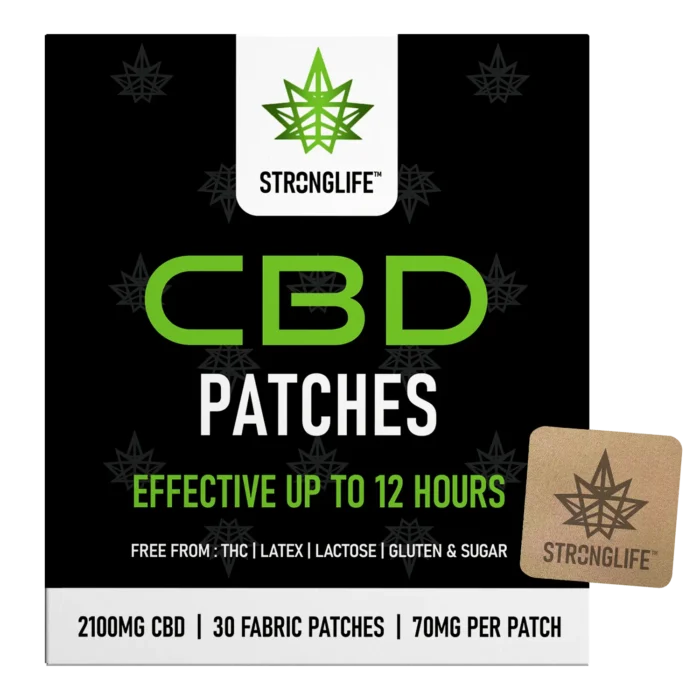
CBD Patches
- Patches30, 60
- Lasts1 Month
- Strength2100mg
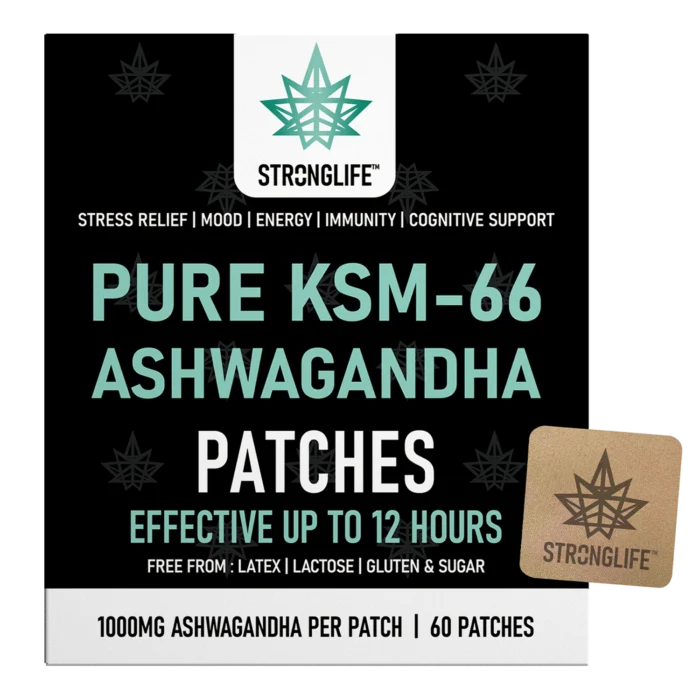
Ashwagandha KSM-66 Patches
- Patches60
- Lasts2 Months
- Per Serving1000mg
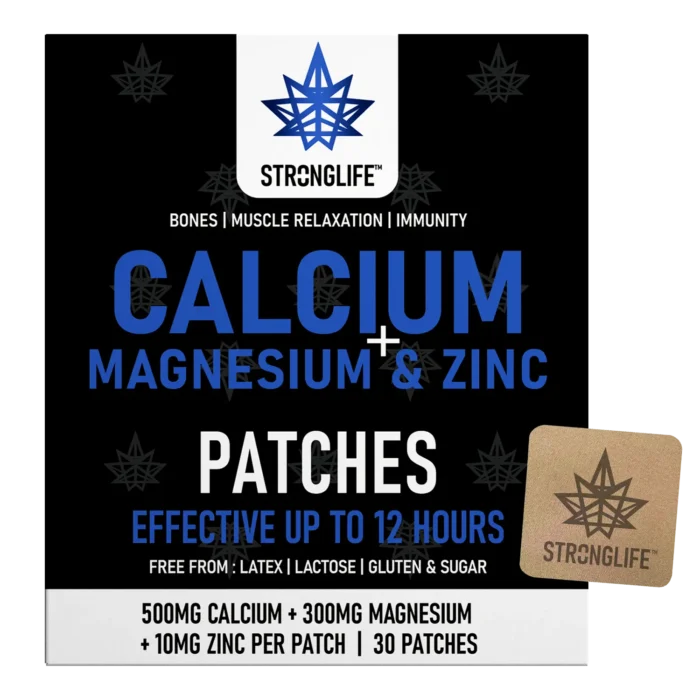
Calcium Magnesium & Zinc Patches
- Patches30
- Lasts1 Month
- Blend3-in-1
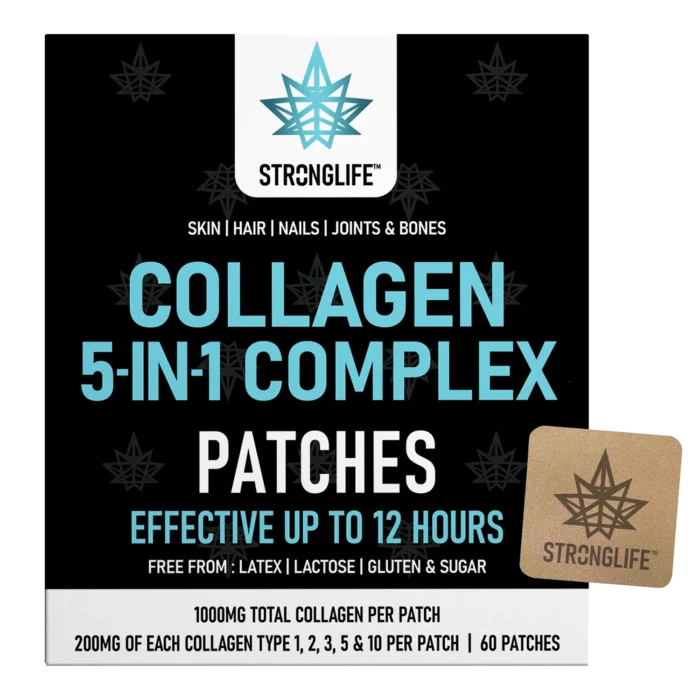
Collagen Complex 5-in-1 Patches
Type 1, 2, 3, 5 & 10
- Patches60
- Lasts2 Months
- Blend5-in-1
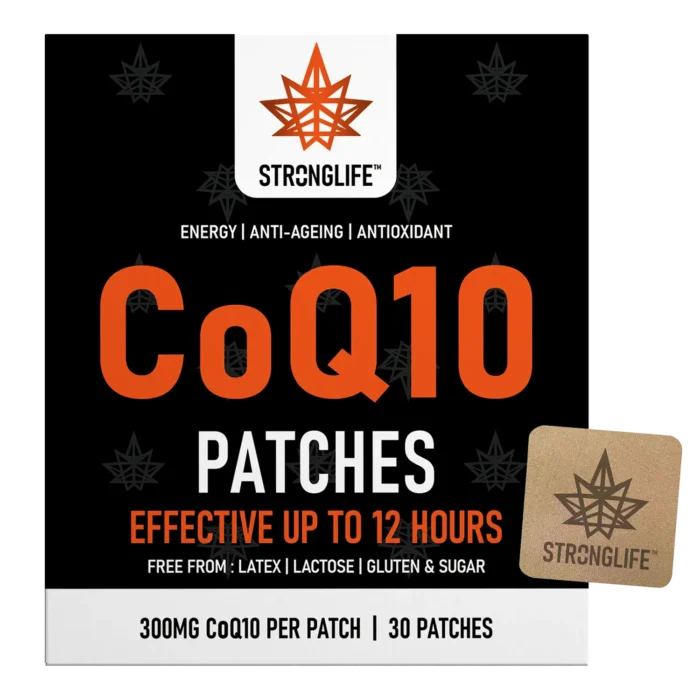
CoQ10 Patches
- Patches30
- Lasts1 Month
- Per Serving300mg
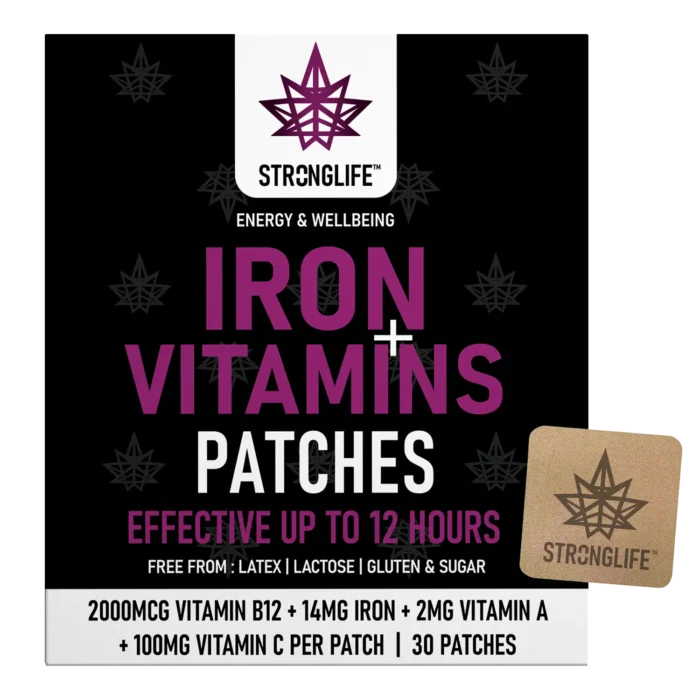
Iron & Vitamin Patches | Vitamin C, A & B12
- Patches30
- Lasts1 Month
- Blend4-in-1
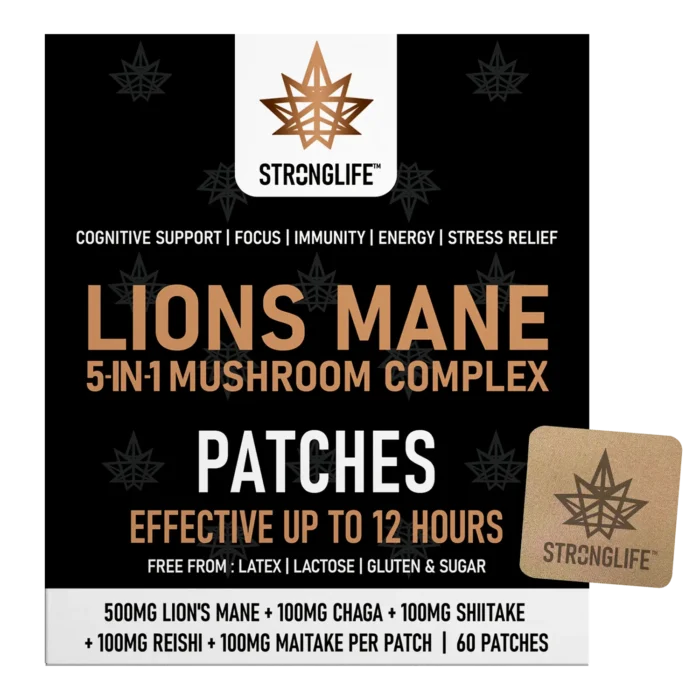
Lion’s Mane Mushroom Complex 5-in-1 Patches
- Patches60
- Lasts2 Months
- Blend5-in-1
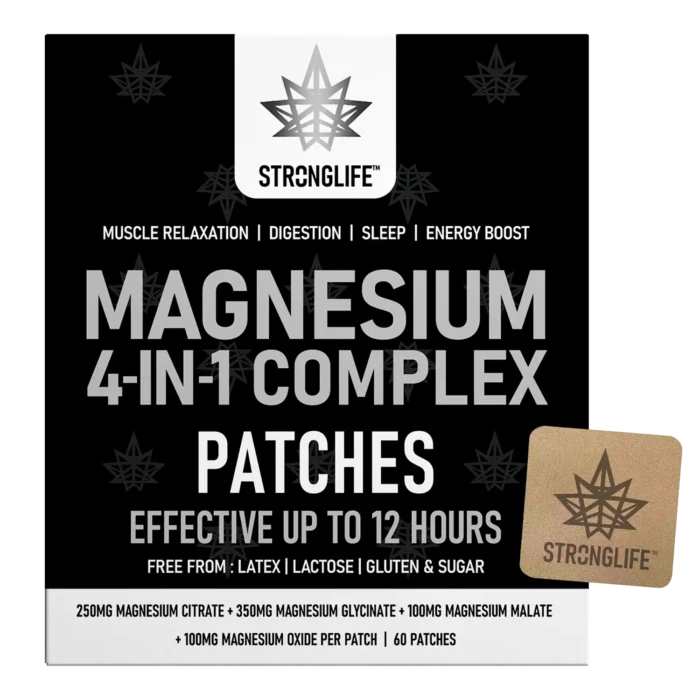
Magnesium Complex
4-in-1 Patches
- Patches60
- Lasts2 Months
- Blend4-in-1
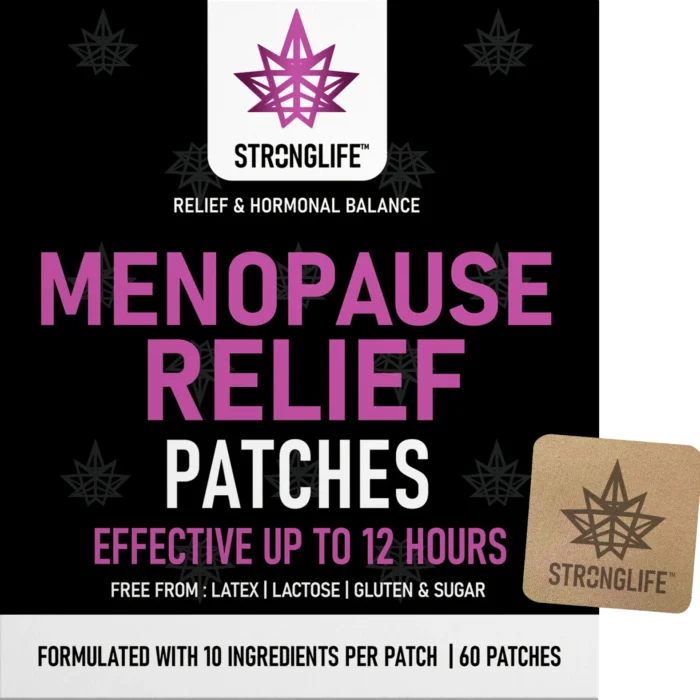
Natural Menopause Patches
- Patches60
- Lasts2 Months
- Blend8-in-1
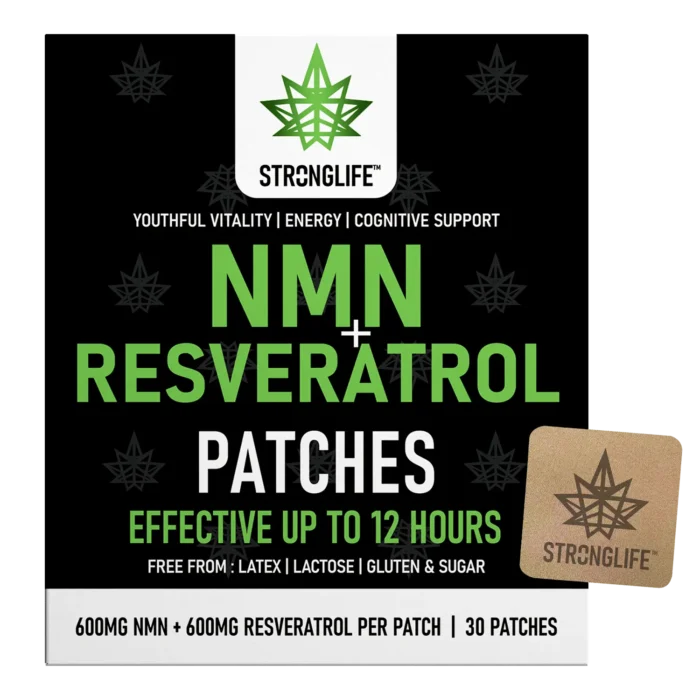
NMN & Resveratrol Patches
- Patches30
- Lasts1 Month
- Per Serving1200mg
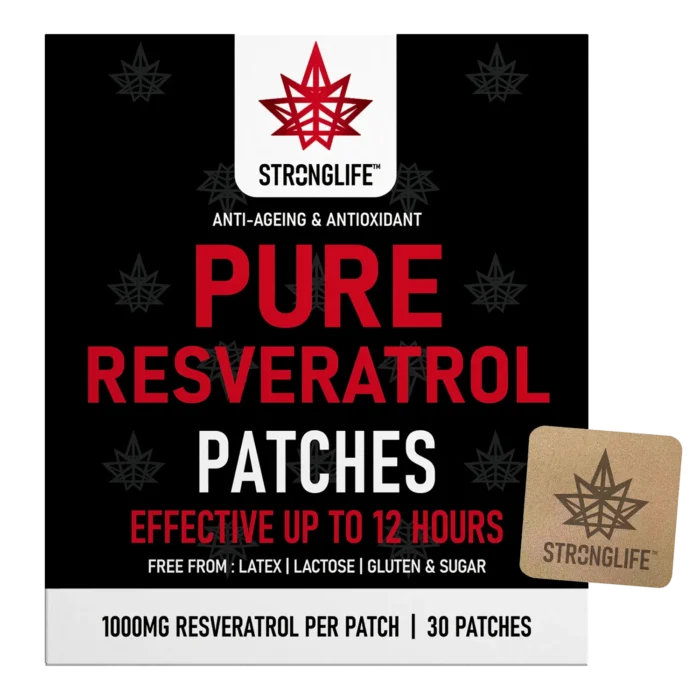
Resveratrol Patches
- Patches30
- Lasts1 Month
- Per Serving1000mg

Shilajit & Sea Moss Patches
- Patches60
- Lasts2 Months
- Blend2-in-1
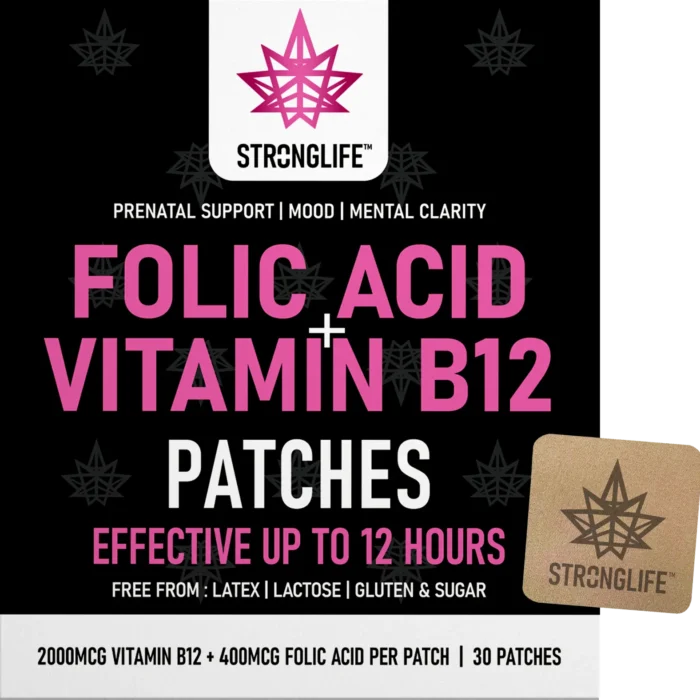
Vitamin B12 & Folic Acid Patches
- Patches30
- Lasts1 Month
- Blend2-in-1
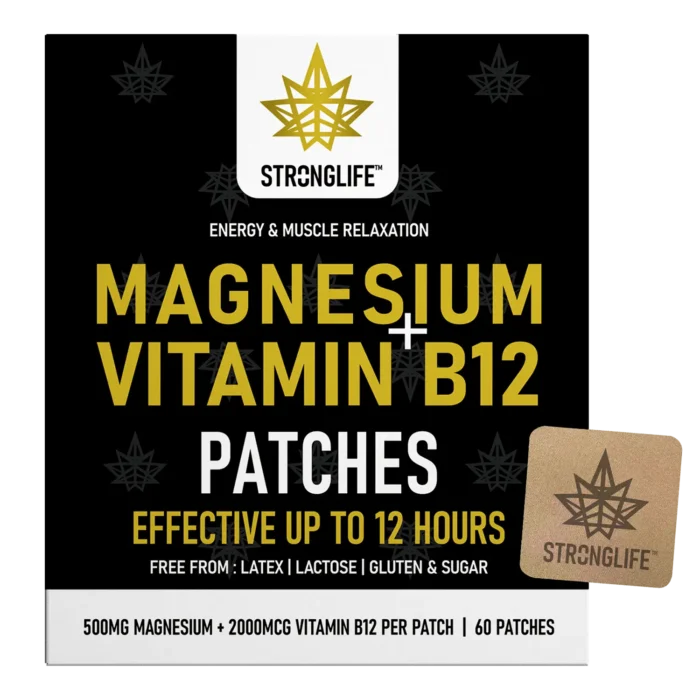
Vitamin B12 & Magnesium Patches
- Patches60
- Lasts2 Months
- Blend2-in-1
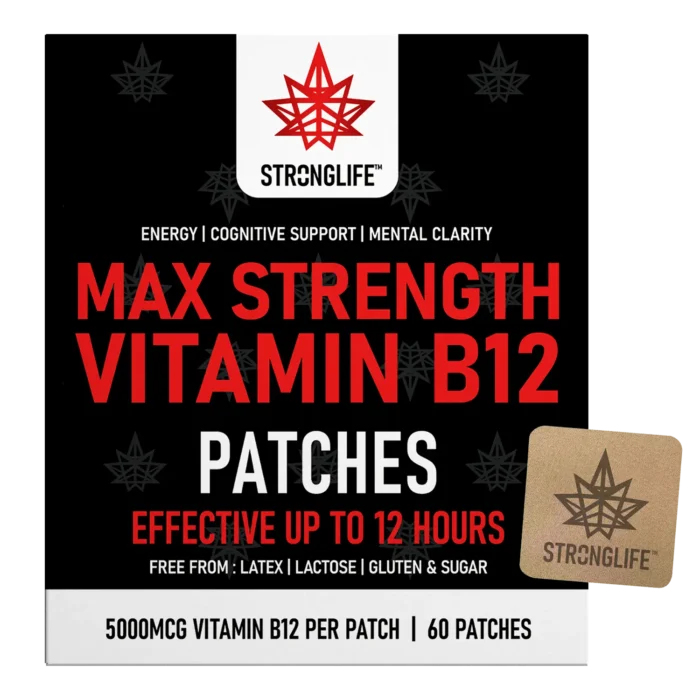
Vitamin B12 Max Strength 60 Patches
- Patches60
- Lasts2 Months
- Per Serving5mg
Do Wellness Patches Work?
- What are they? Wellness patches (or transdermal patches) are adhesive delivery systems that transfer active vitamins, minerals, or botanical extracts directly through your skin.
- Why use them? They completely bypass the digestive system. This means fragile nutrients are not destroyed by harsh stomach acids, resulting in significantly higher absorption without the gastrointestinal upset of heavy pills.
- How long do they last? Unlike energy drinks or oral supplements that cause sudden spikes, patches are engineered to drip-feed nutrients into your bloodstream for a steady 8 to 12 hours.
- Are they safe? Yes. Premium patches use hypoallergenic, medical-grade adhesives. Simply apply to clean, dry skin and rotate your placement daily to prevent irritation.
What Are Wellness Patches?
Wellness patches, often referred to as transdermal patches, are adhesive patches designed to be applied to the skin as part of a daily routine. In the supplement space, they are usually positioned as a routine-friendly alternative to standard pills or liquids.
The word transdermal literally refers to delivering active compounds through the skin. In normal shopping terms, it usually means a patch designed to be worn on the skin for a set period, with clear instructions for how and when to apply it.
- Wellness patch: an adhesive delivery system used as part of a daily supplement-style routine.
- Transdermal patch: wording commonly used for patches worn directly on the skin to bypass the digestive tract.
- Clarity matters: good patch products explain how to use them, how long to wear them, and what is in them.
How Do Wellness Patches Work?
The biggest practical advantage of a patch is routine simplicity. Instead of measuring liquids or remembering several tablets, you apply a patch and follow the brand’s wear-time guidance. According to clinical reviews on transdermal delivery, bypassing the harsh environment of the stomach allows delicate molecules to enter the bloodstream intact.
Through a process known as permeation, the active ingredients pass through the outer layer of the epidermis and are absorbed into the dermal microcirculation. What matters most for a shopper is not clever marketing language, but whether the brand is clear about what is in the patch, how to use it, and what to expect from a consistent routine.
- Consistency: patches are often chosen because the routine feels straightforward and is easy to repeat.
- Wear-time guidance: a quality patch tells you exactly how long to wear it and how often to use it.
- Realistic expectations: avoid product pages that imply guaranteed outcomes or medical-style results.
What Are The Types Of Wellness Patches?
Most patch products look similar until you know what to check. Patch types can vary by material, adhesive feel, wear-time positioning, and how clearly the brand states usage. According to research on hydrogel and matrix patches, the delivery layer directly dictates how fast the ingredients enter your system.
- Fabric-style patches: often chosen for comfort and everyday wear, with a simple apply-and-go routine.
- Clear-style patches: sometimes chosen for a different look or feel on the skin, though skin-sensitivity guidance still matters.
- Targeted patches: highly specific formulas, such as those designed to support restorative rest, or cooling patches for targeted muscle relief.
- Blended patches: multi-ingredient formulas (like those found in complex menopause supplements) that need stronger label clarity so the reason for the formula makes sense.
- Wear-time-led patches: some are positioned around how long they are designed to be worn, which should always be clearly stated.
There is no universal best patch type. The best wellness patch is usually the one that matches your preference for comfort, clarity, and routine fit.
How To Use Wellness Patches
Most patch complaints come down to poor application. A patch routine should be simple, but it still needs a few basics done correctly to ensure the active ingredients can pass through the skin barrier effectively.
- Apply to clean, dry skin: avoid moisturiser, oils, or sweaty skin right before use.
- Choose a low-friction area: places that constantly rub on clothing can reduce stick over time. The inner wrist or upper shoulder are ideal.
- Press firmly: hold for 10 to 20 seconds to help it bond evenly, especially around the edges.
- Rotate placement: if you use patches daily, rotate areas to reduce irritation risk.
- Remove gently: peel slowly, and if needed warm water can help soften adhesive residue.
How Long To Wear A Wellness Patch
The most useful guidance is whatever you can repeat daily. If a patch is designed for a specific wear window (usually 8 to 12 hours), follow the label rather than guessing to ensure you receive the full intended dose.
Timing is personal. Some people prefer morning use because it is easy to remember, which is ideal for energy formulas. Others prefer evening use because it fits their wind-down routine for sleep products. What matters most is consistency, not obsessing over a perfect hour.
- Follow the label: wear time and frequency should be clearly stated on a quality patch product.
- Pick a repeatable time: the best timing is the one you will stick to.
- Do not overcomplicate it: change one variable at a time if you are testing what suits you best.
How To Choose The Best Wellness Patches
If you are trying to find the best wellness patches in the UK, the easiest way to cut through the noise is to ignore the hype and focus on clarity. You are not looking for the loudest promise. You are looking for the clearest explanation.
Are Wellness Patches Safe For Sensitive Skin?
Wellness patches are generally considered very safe and are often chosen by people who want a straightforward routine and prefer not to swallow capsules. However, suitability still depends on the individual, especially if you have sensitive skin, latex allergies, or you are taking prescribed medication.
As a general precaution, avoid introducing new supplement-style products if you are pregnant or breastfeeding unless you have had professional guidance. If you are on medication or managing a medical condition, it is sensible to ask a pharmacist or GP before adding new transdermal products to your routine.
- Sensitive skin: skin safety protocols advised by dermatological experts recommend doing a patch test first if you are prone to contact dermatitis or irritation.
- Medication check: ask a professional if you are unsure about active ingredient suitability or transdermal interactions.
- Keep it simple: avoid stacking multiple completely new patch formulas at once.
Common Mistakes When Using Wellness Patches
1) Applying over moisturiser or oil. The patch often will not stick as well and the lipid barrier will actively block absorption of the ingredients.
2) Using a high-friction area. Tight waistbands and constant rubbing can reduce stick over time, causing the patch to lift at the edges.
3) Switching too quickly. Consistency matters. Give your routine time and keep changes simple so you can accurately monitor results.
4) Buying from vague listings. If there is no clear usage guidance or ingredient clarity, you are guessing about what is actually entering your bloodstream.
5) Ignoring skin feedback. If irritation happens, stop use immediately, wash the area with warm water, and seek advice.