



Can I Take Ashwagandha with Sertraline?
Can I Take Ashwagandha with Sertraline?

- There is limited evidence on taking ashwagandha and sertraline together, so any potential benefits remain uncertain.
- Ashwagandha may reduce perceived stress and improve sleep, but most studies are small and do not involve people taking SSRIs.
- Combining the herb with sertraline could increase side effects like diarrhoea due to interactions with liver enzymes.
- Consultation with a healthcare professional is essential before adding any supplement to a medication regimen.
- Lifestyle changes, therapy and medication adjustments are often safer first steps when dealing with stress, anxiety or side effects.

Understanding Ashwagandha: A Traditional Herb
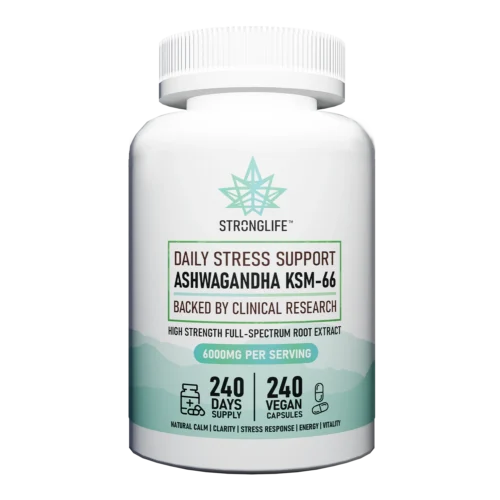
Ashwagandha (Withania somnifera) has been used for centuries in Ayurvedic medicine as a restorative tonic. It is sometimes called “Indian ginseng” because it belongs to a group of herbs known as adaptogens, meaning they may help your body adapt to stress. The root is typically dried and ground into a powder or concentrated into an extract, and modern users take it in capsules, powders, patches or teas. Ashwagandha is thought to contain withanolides and other compounds that could influence inflammation and stress hormones, though high‑quality clinical data remain limited.
The Herb’s Role Today
In recent years ashwagandha has become popular in the wellness world. You will find it in supplements marketed for stress, sleep and cognitive function. Despite its ancient roots, most of the scientific evidence comes from small, short‑term trials rather than large, long‑term studies. This means that while some people report feeling calmer or sleeping better, we should interpret these findings with a bit of caution, especially when it comes to big, guaranteed claims or long-term results.
What Sertraline Does in the Body
Sertraline is an antidepressant medicine belonging to the class of selective serotonin reuptake inhibitors (SSRIs). These medicines increase the level of serotonin, a chemical messenger that influences mood, in the brain by preventing its reabsorption (reuptake). Sertraline is commonly prescribed for depression, anxiety disorders, obsessive‑compulsive disorder and post‑traumatic stress disorder. By boosting serotonin levels it may ease low mood and anxious thoughts, but it can also cause side effects.
GET 20% OFF Use Code: AshwaSSRI
SSRIs and Mood Regulation
SSRIs like sertraline help the brain maintain a steadier supply of serotonin, which may support emotional balance over time. It usually takes several weeks to notice an effect, and doses are gradually adjusted by a healthcare professional. Because these medicines act on neurotransmitters, combining them with other substances that affect the same systems could increase the risk of side effects.
Reasons People Consider Taking Both
Some people taking sertraline wonder if adding ashwagandha might offer extra support for stress, fatigue or sleep problems. Marketing materials often portray herbal adaptogens as natural solutions that complement conventional medicine. For those living with anxiety or chronic stress, the idea of combining a prescription SSRI with a calming herb can be appealing. However, this combination has not been well studied, so any potential benefits should be weighed against possible risks and discussed with a doctor.
Combining Supplements and Medication
While supplements are widely available without a prescription, they are not automatically safe when taken alongside medication. Herbal products may affect how drugs are absorbed, metabolised or eliminated. For example, certain herbs can induce or inhibit liver enzymes that process medicines, leading to higher or lower drug levels in the body. Therefore it is important to consider potential interactions before mixing supplements with prescription drugs.
Potential Benefits of Ashwagandha for Stress
Early studies suggest that ashwagandha might lower perceived stress and cortisol levels. In one double‑blind, placebo‑controlled trial, participants who took standardised ashwagandha extract for eight weeks reported reduced morning cortisol compared with those taking a placebo. These findings hint at stress‑reducing properties, yet the sample sizes were small and the participants did not have diagnosed mental health conditions. As a result, we cannot say for certain whether the herb provides meaningful benefits, especially when combined with an SSRI.
Evidence from Studies
Most trials of ashwagandha have focused on otherwise healthy individuals experiencing everyday stress rather than people on antidepressants. Few studies have looked at its effects when used together with sertraline or other SSRIs. Without this data it is difficult to predict how the herb will behave in combination, and whether any stress‑reducing effects would add to or interfere with the action of sertraline. Until more evidence emerges, it is safest to view ashwagandha as a supplement to conventional self‑care rather than a proven therapy.

Effects on Anxiety Symptoms
Beyond general stress, some people hope ashwagandha might ease anxiety symptoms. Animal studies and a handful of human trials suggest the herb could have anxiolytic (anxiety‑reducing) properties, possibly through modulation of gamma‑aminobutyric acid (GABA) receptors. In small clinical studies participants have reported feeling calmer, though results are inconsistent. Researchers have not yet established whether these effects are clinically significant for individuals taking SSRIs.
Looking at the Data
The limited trials available often measure anxiety with scales such as the Hamilton Anxiety Rating Scale or State‑Trait Anxiety Inventory. While modest improvements have been noted, the studies usually involve fewer than 100 participants and lack long‑term follow‑up. Without rigorous evidence it would be premature to assume ashwagandha can meaningfully augment sertraline in treating anxiety disorders.
Ashwagandha and Sleep Quality
Another reason people reach for ashwagandha is its reputation for promoting restful sleep. Preliminary research suggests it may help shorten the time it takes to fall asleep and improve overall sleep quality, possibly by lowering cortisol and calming the nervous system. Improved sleep, in turn, might support mood and daytime energy. Still, the available studies are small and often funded by supplement manufacturers.
Improving Restfulness
One randomised trial found that participants taking ashwagandha extract reported better sleep and more alert waking than those given a placebo. Yet this effect has not been examined in combination with sertraline. Because SSRIs can both cause and relieve insomnia depending on the individual, adding another compound that influences sleep could have unpredictable results. People already on sertraline should talk to their doctor before experimenting with herbs for sleep.
GET 20% OFF Use Code: AshwaSSRI
Common Sertraline Side Effects
Sertraline may cause a range of side effects, particularly when first starting treatment or when doses are adjusted. Common issues include gastrointestinal symptoms such as nausea, diarrhoea or constipation, as well as headaches, dry mouth, dizziness and sleep disturbances. Some people also experience sexual dysfunction, sweating or weight changes. Most side effects lessen over time, but persistent problems should be discussed with a doctor.
Managing Symptoms
For many patients, managing sertraline side effects involves lifestyle adjustments like taking the medicine with food, staying hydrated and practising good sleep hygiene. Doctors may also adjust the dose or switch to another SSRI if side effects persist. It can be tempting to look for supplements that might ease discomfort, but adding an untested herb could increase the risk of adverse reactions rather than solve the problem.
Possible Interactions to Be Aware Of
Although ashwagandha is generally considered safe when taken alone, it may interact with certain medications. A review of herb–drug interactions noted that combining ashwagandha with antidepressants like sertraline has been linked to severe diarrhoea. Because the herb contains compounds that can affect digestive motility and enzyme activity, it might amplify gastrointestinal side effects or change how medications are metabolised.
Reports of Diarrhoea and Other Reactions
A retrospective analysis of antidepressant–adaptogen interactions found that around 9% of adverse events were attributed to adaptogens. In this study, a patient taking sertraline experienced severe diarrhoea; symptoms resolved. While this does not prove a causal relationship, it highlights the need for caution and monitoring when combining the two.

The Role of Liver Enzymes and Transporters
Drugs and supplements are processed by enzymes in the liver and transported across cell membranes by proteins such as P‑glycoprotein. Ashwagandha has been shown in laboratory studies to inhibit cytochrome P450 enzymes like CYP3ACYP3A4 and CYP2D6. These enzymes metabolise many medicines, including some antidepressants. If the herb slows down enzyme activity, it could increase sertraline levels in the blood, raising the risk of side effects.
CYP450 and P‑glycoprotein
There is also evidence that ashwagandha may affect P‑glycoprotein, a transporter that pumps drugs out of cells. By inhibiting this transporter, the herb could alter how medicines are distributed and eliminated. Although these interactions are theoretical and based on lab data, they support the recommendation to consult a healthcare professional before combining ashwagandha with prescription drugs.
Risk of Serotonin Syndrome
Serotonin syndrome is a potentially serious condition caused by excessive serotonin activity in the nervous system. Symptoms include agitation, confusion, rapid heart rate, dilated pupils, muscle rigidity, and in severe cases high fever or seizures. It can occur when multiple drugs or supplements with serotonergic properties are taken together. While ashwagandha is not known to directly increase serotonin, some adaptogens can influence neurotransmitter levels, so prudence is advised.
Signs and Prevention
To reduce the risk of serotonin syndrome, it is important to follow prescribed doses of sertraline and avoid mixing it with other serotonergic substances without medical advice. If adding a new supplement, monitor for symptoms such as restlessness or tremors and seek medical attention if they appear. Always inform your doctor about all herbal products you are taking.
Real‑World Reports: Case Reviews
Beyond clinical trials, case reports and observational studies provide insight into how people respond to combined treatments. Some patients have reported gastrointestinal upset, dizziness or sedation after taking ashwagandha with SSRIs. Others noted no noticeable changes. Because these reports are anecdotal and often lack controlled conditions, they are useful for identifying possible patterns but cannot establish cause and effect.
What Patients Have Experienced
In the retrospective chart review mentioned earlier, the majority of adverse events linked to adaptogens occurred in middle‑aged adults who self‑medicated without consulting a doctor. This underscores the importance of professional guidance. Patients who did benefit from ashwagandha typically used it under medical supervision and were monitored for side effects.
Guidance on Ashwagandha Dosage
When taken alone, typical ashwagandha doses range from 250 mg to 600 mg of a standardised root extract once or twice daily. Higher doses are sometimes used in clinical trials, but safety data are limited. Starting with the lowest effective dose and choosing products that clearly state their withanolide content can help minimise risk. Because sertraline doses are adjusted individually, adding another active compound could require careful monitoring.
Standardised Extracts and Potency
Not all ashwagandha products are created equal. Some powders and tinctures contain varying amounts of active constituents, while others use highly concentrated extracts. Look for reputable brands that provide certification of analysis and specify the percentage of withanolides. Avoid combining high‑potency formulas with prescription medicines unless advised by a healthcare provider.
Who Should Avoid Ashwagandha
Certain individuals should avoid ashwagandha altogether or use it only under close supervision. Pregnant or breastfeeding women are generally advised not to take it due to insufficient safety data. People with autoimmune diseases such as lupus or rheumatoid arthritis may find that ashwagandha stimulates the immune system, potentially worsening symptoms. Those with thyroid disorders should also exercise caution, as the herb might influence thyroid hormone levels.
Pregnancy, Thyroid, and Autoimmune Conditions
If you have a medical condition or take any medications, particularly immunosuppressants, thyroid hormones or sedatives, speak with your doctor before trying ashwagandha. Even though it is marketed as a natural remedy, it can still have powerful physiological effects. Personalised advice is essential for safety.
Quality Matters: Choosing Supplements
Supplements are not regulated as strictly as pharmaceutical drugs, so quality can vary widely between brands. Contamination with heavy metals, pesticides or other herbs has been reported in some herbal products. Choosing supplements manufactured by reputable companies that follow Good Manufacturing Practice (GMP) standards reduces the risk of contaminants and ensures you get what is listed on the label.
Safety and Certification
Look for third‑party testing seals such as NSF or USP, which indicate that a product has been independently verified for purity and potency. Online reviews and professional recommendations can also help you choose reliable brands. Remember that a low price or bold marketing claims are not indicators of quality.
Lifestyle Alternatives to Consider
While supplements can play a role in wellness, they are not substitutes for a balanced lifestyle. Regular physical activity, a varied diet rich in fruits, vegetables and whole grains, and adequate sleep are fundamental to mental health. Activities like yoga, tai chi and mindful breathing may also help lower stress and improve mood without introducing new compounds into your system.
Diet, Exercise, and Mindfulness
Eating balanced meals, staying hydrated and limiting stimulants such as caffeine may support energy and mood stability. Exercise releases endorphins that naturally elevate mood, and mindful practices can reduce stress responses. These approaches do not carry the same risk of interaction as adding a herbal supplement to an antidepressant.
Adjusting Medication vs Adding Supplements
If you are experiencing persistent anxiety, sleep problems or side effects while taking sertraline, it may be tempting to add a supplement like ashwagandha. However, the first step should be to talk to the prescriber about adjusting the medication dose or switching to a different SSRI. Healthcare professionals can tailor treatment based on your unique response and medical history.
Working with Your GP
Your GP or psychiatrist can provide advice on whether non‑prescription products are appropriate for you. They can also monitor blood levels of medications and assess for side effects if you decide to try a supplement. This collaborative approach helps ensure any changes to your treatment plan are safe and evidence‑informed.
Non‑Pharmacological Therapies for Stress
Therapies such as cognitive behavioural therapy (CBT), counselling and mindfulness‑based stress reduction can be effective for managing anxiety and depression. These approaches teach coping skills and challenge unhelpful thought patterns, providing tools that complement or even replace medication for some people. Engaging in a structured therapy programme may offer longer‑lasting benefits than adding a supplement.
Therapy, CBT, and Support Groups
CBT focuses on identifying and changing negative thought patterns, while support groups provide community and shared experiences. Mindfulness‑based therapies teach you to observe thoughts and sensations without judgment, reducing their impact. These options carry no risk of pharmacological interaction and can be tailored to individual needs.
When to Speak to a Healthcare Professional
Any decision to take a new supplement, adjust medication or discontinue a treatment should be made with professional guidance. A doctor or pharmacist can help assess potential interactions, review your complete medication list and consider your medical history. If you experience new symptoms after adding a supplement, stop taking it and seek advice promptly.
Planning Ahead
Before starting ashwagandha or any herbal product, write down all the medicines and supplements you use and share this list with your healthcare provider. Ask about possible interactions and signs to watch for. Having a plan in place helps you act quickly if side effects occur.
Real‑Life Considerations and Patient Stories
Individual experiences with ashwagandha and sertraline vary widely. Some people report improved resilience and calmer mood after adding the herb, while others notice no change or develop digestive upset. Because everyone’s physiology and medication regimen are unique, anecdotes cannot replace personalised medical advice.
Balancing Expectations
Approach personal stories online with caution; positive experiences may not account for placebo effects, and negative ones might stem from poor product quality or inappropriate dosing. Use these accounts as a reminder that what works for one person may not work for another.
Final Thoughts: Making an Informed Decision
The question “Can I take ashwagandha with sertraline?” does not have a one‑size‑fits‑all answer. Ashwagandha may offer potential benefits for stress and sleep, but data on its safety and efficacy alongside SSRIs are limited. Given reports of gastrointestinal side effects and the possibility of herb–drug interactions, caution is warranted. Before combining ashwagandha with sertraline, speak to a healthcare professional who understands both herbal medicine and psychopharmacology.
Your Next Steps
Gather reliable information, discuss it with your doctor and consider non‑pharmacological strategies for managing stress and anxiety. Should you and your healthcare provider decide that trying ashwagandha is appropriate, start with a low dose, choose a reputable product and monitor for side effects. An informed approach helps ensure that any addition to your wellness routine supports rather than undermines your wellbeing.
Comparison of Options
Below is a summary of how ashwagandha alone, sertraline alone and the combination might compare. Use this as a starting point for discussions with your doctor.
| Option | Potential benefits | Common side effects | Key cautions |
|---|---|---|---|
| Ashwagandha alone | May lower stress and support sleep; considered “natural” | Mild stomach upset, drowsiness, changes in thyroid function | Limited evidence for efficacy; avoid during pregnancy or autoimmune conditions |
| Sertraline alone | Clinically proven to reduce depression and anxiety symptoms; monitored by a doctor | Nausea, diarrhoea, insomnia, sexual dysfunction | Must be taken consistently; dose adjustments require medical supervision |
| Ashwagandha + Sertraline | Theoretically could combine stress reduction with mood stabilisation | Reports of severe diarrhoea and other gastrointestinal issues | Possible herb–drug interactions via CYP450 enzymes and P‑glycoprotein; consult a doctor first |


