


Best Supplements for Muscle Growth
Best Supplements for Muscle Growth: Evidence-Based Guide

- The best supplements for muscle growth support training, recovery, and daily nutrition rather than relying on quick or extreme effects.
- Well-researched options like protein supplements, creatine, and essential amino acids have the strongest evidence for improving muscle performance and size.
- Many muscle-building supplements work by supporting strength output, workout volume, or recovery rather than directly increasing hormones.
- Quality and formulation matter; always choose supplements that are third-party tested and produced by reputable brands.
- Supplements should complement a solid foundation of resistance training, adequate calories, and sufficient protein intake.
- Individual response varies, so it’s important to assess how your body reacts rather than stacking multiple products at once.
- If you have underlying health conditions or take medication, consulting a healthcare professional before starting new supplements is recommended.
Building lean muscle is not just about lifting heavier weights – it’s also about providing your body with the raw materials it needs to repair, adapt and grow. With thousands of tablets and powders on the market, it’s easy to feel lost when choosing the best supplements for muscle growth. This comprehensive guide breaks down the most popular options and explains what the research really says, so you can make informed choices and focus on what matters – training smart, eating well and recovering properly.

Understanding Muscle Growth and Nutrition
Muscle hypertrophy occurs when training creates micro‑tears in your muscle fibres and your body repairs them with new proteins. Adequate dietary protein is essential, with research suggesting that 20–40 g of protein at each meal supports muscle maintenance and growth. Protein isn’t the whole story; carbohydrates replenish glycogen to fuel workouts and fats support hormonal health. Adults should also perform muscle‑strengthening activities at least twice a week. In the UK, many people overlook basic nutrition in favour of exotic powders; however, a balanced diet with lean meats, fish, dairy, legumes, nuts and whole grains provides a solid foundation.
What The Research Says
Studies consistently show that meeting your daily protein requirement (approximately 1.6–2.2 g per kilogram of body weight for active individuals) is more important than the source of protein. Whole foods provide not only amino acids but also vitamins, minerals and healthy fats. Supplements can be helpful to fill gaps or for convenience, but they are not magic bullets.
Whey Protein
Whey is a fast‑digesting protein isolated from milk. It contains all nine essential amino acids, making it a complete protein. Evidence from a study on collegiate athletes found that both whey and casein supplements led to significant increases in lean mass and reductions in body fat when combined with resistance training; there was no significant difference between them. Whey may be particularly useful post‑workout because it is rapidly absorbed, which can help jump‑start muscle protein synthesis.
Practical tips
Look for a whey concentrate or isolate with minimal added sugar. Mix one scoop (around 20–25 g protein) with water or milk immediately after training. If you follow a vegetarian diet or struggle to hit protein goals, whey can be an effective and convenient supplement.
Casein Protein
Casein is the other primary protein found in milk. It digests slowly and provides a steady release of amino acids over several hours. Healthline notes that the differences in results between whey and casein are negligible and that total protein intake is more important than timing. Because casein is slow‑digesting, many athletes consume it before bed to support overnight recovery.
Practical tips
Choose a micellar casein powder without added fillers. Consume 20–40 g mixed with water or milk as a bedtime snack. If you prefer whole foods, cottage cheese or Greek yoghurt provide similar slow‑digesting proteins.
Plant Protein
For vegans or those avoiding dairy, pea, rice and soy proteins are common alternatives. They often lack one or more essential amino acids individually, but blending them (e.g. pea and rice) provides a complete amino acid profile. Plant proteins may digest slightly slower than whey, but they can still support muscle growth when total protein intake is sufficient. If you follow a plant‑based diet, focus on variety and adequate energy intake.
Practical tips
Choose products that combine multiple plant proteins to ensure a balanced amino acid profile. Add a scoop to smoothies or oatmeal, or use unflavoured powder when baking.
Creatine Monohydrate
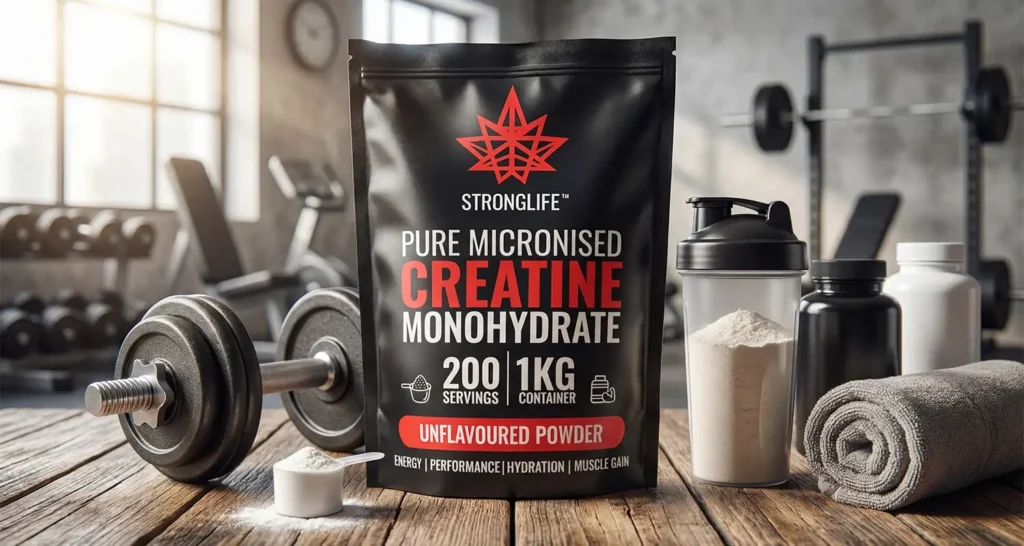
Creatine is one of the most researched supplements. It increases phosphocreatine stores in muscles, allowing you to produce ATP more rapidly during high‑intensity efforts. A meta‑analysis found that creatine supplementation with resistance training produces a small but significant increase in skeletal muscle hypertrophy; young adults may experience slightly greater benefits than older adults. Creatine is naturally produced in the body, and some evidence suggests it may also support cognitive health.
Usage Guidelines
Follow a loading phase of 3–5 g taken four times per day (12-20 g) for 5–7 days, then continue with a maintenance dose of 3–5 g per day. Mix creatine with water or juice. Stronglife’s Micronised Creatine Monohydrate Tablets provides a convenient way to meet your daily dose.
GET 20% OFF Use Code: Muscle20
Beta‑Alanine
Beta‑alanine increases the muscle dipeptide carnosine, which buffers hydrogen ions and delays fatigue during high‑intensity exercise. A meta‑analysis showed that β‑alanine supplementation improved exercise outcomes compared with placebo, particularly for efforts lasting 60–240 seconds. The improvement was modest (around 2.85%), but for competitive athletes this could be meaningful. It may cause a harmless tingling sensation (paresthesia) at higher doses.
Usage Guidelines
Take 2–5 g of β‑alanine daily, ideally split into two doses to reduce tingling. Combine with high‑intensity interval training (HIIT) or sprint work. Beta‑alanine works synergistically with creatine for performance improvements. Be patient – carnosine stores take a few weeks to build.
Beta‑Hydroxy‑Beta‑Methylbutyrate (HMB)
HMB is a metabolite of the amino acid leucine and may reduce muscle protein breakdown. An umbrella review reports that HMB can increase muscle protein synthesis by up to 70%, reduce protein breakdown by 57%, enhance muscle membrane stability and increase mitochondrial biogenesis. A meta‑analysis of older adults found that HMB combined with resistance training produced modest improvements in handgrip strength and physical function but had no significant effects on body composition. Overall, results are mixed and more research is needed.
Usage Guidelines
HMB is typically taken at 3 g per day, divided into three doses. It may be beneficial during calorie deficits or when returning to training after a break. Look for a product that uses the free‑acid form rather than calcium HMB for better absorption.
Omega‑3 Fatty Acids
Omega‑3s (EPA and DHA) from fish oil or algal oil are known for their anti‑inflammatory benefits. While a meta‑analysis found that omega‑3 supplementation did not increase lean tissue mass, it did improve lower‑body strength and functional measures such as sit‑to‑stand performance. They may aid muscle recovery by reducing inflammation. Many people in the UK do not meet the recommended two portions of oily fish per week, so a supplement can help close the gap.
How To Take
Aim for 1–3 g of combined EPA and DHA per day. Choose a product from a reputable company that tests for heavy metals. If you prefer plant‑based omega‑3s, algal oil provides DHA and EPA without fish.

Vitamin D
Vitamin D facilitates calcium absorption and plays a role in muscle function. During October to March in the UK, sunlight is insufficient to produce adequate vitamin D, so the NHS recommends that adults take a 10 µg (400 IU) supplement. However, a meta‑analysis found that vitamin D supplementation did not improve muscle health; in fact, some measures such as the timed‑up‑and‑go test worsened. That does not mean vitamin D is unnecessary – rather, deficiency should be corrected, but extra supplementation beyond recommended levels does not enhance muscle growth.
Practical Tips
Get your vitamin D levels checked through your GP. Take a daily supplement (10 µg) in winter if you don’t get enough sun exposure. Combine it with calcium‑rich foods like dairy or fortified plant milks.
Branched‑Chain Amino Acids (BCAAs)
BCAA supplements contain leucine, isoleucine and valine. They are marketed as muscle‑building aids, but evidence is underwhelming. King’s College London reports that BCAA supplements plus carbohydrates produced only half the muscle‑building response of a full essential amino acid supplement and that athletes shouldn’t rely on BCAAs alone. A systematic review noted that BCAAs may reduce muscle soreness but had negligible effects on performance or body composition and are not recommended by major sports institutes.
Practical Tips
Rather than buying BCAAs, focus on whole‑protein sources or complete protein powders. If you enjoy the taste of BCAA drinks, use them as flavoured hydration during training, but don’t expect significant muscle growth.

Glutamine
Glutamine is a non‑essential amino acid produced by the body. The Cleveland Clinic notes that most healthy individuals get enough glutamine from their diet and that supplements may reduce muscle soreness and the risk of illness after exercise but do not build muscle mass. Athletes recovering from injury or illness may benefit, but evidence for hypertrophy is lacking.
Ashwagandha
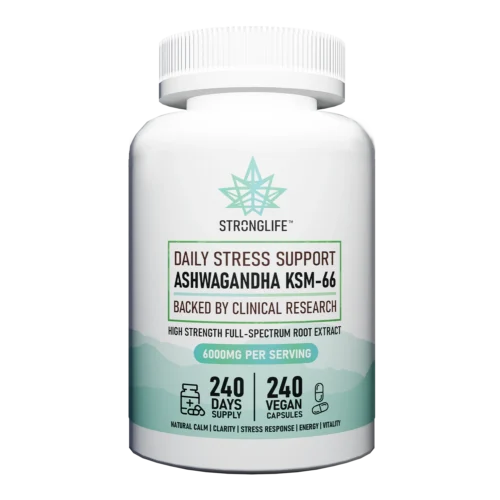
Ashwagandha (Withania somnifera) is an adaptogenic herb used in Ayurvedic medicine. A narrative review highlighted that supplementation improved bench‑press and squat strength, power output and VO₂ max in some trials, but the literature is limited. A meta‑analysis of randomised controlled trials found that 300–500 mg twice daily increased upper‑ and lower‑body strength and improved body composition. Researchers suggest its effects may relate to lowered cortisol and improved testosterone levels, but more high‑quality studies are needed.
Practical Tips
Consider ashwagandha only if you have already optimised training, nutrition and sleep. Look for KSM‑66 or Sensoril extracts at 300–600 mg per day, and consult your GP if you have thyroid issues or take medications.
Stronglife’s Turkesterone UK Capsules are not ashwagandha but offer another plant‑derived option that some athletes use to support performance.
GET 20% OFF Use Code: Muscle20

Caffeine and Pre‑Workout Formulas
Caffeine is the main active ingredient in many pre‑workout supplements. The International Society of Sports Nutrition notes that moderate doses of 3–6 mg per kilogram of body mass taken about an hour before exercise improve endurance and high‑intensity performance. Minimal effective doses can be as low as 2 mg/kg, and doses above 9 mg/kg do not provide additional benefits and increase side effects. Pre‑workout products often combine caffeine with amino acids, creatine and beta‑alanine; check labels carefully to avoid excessive stimulants.
Practical Tips
Start with a small dose of caffeine (e.g. a strong coffee) 45‑60 minutes before training. Avoid taking caffeine late in the day as it can disrupt sleep. If you use a commercial pre‑workout, choose one that transparently lists ingredients and dosages.
Protein and Carbohydrate Recovery Drinks
Consuming protein and carbohydrates after exercise accelerates recovery. The British Heart Foundation advises consuming a recovery drink within 20 minutes post‑workout containing roughly 10–20 g of protein and 30–60 g of carbohydrates (a 3–4:1 carb‑to‑protein ratio). An RCT found that adding protein to a carbohydrate supplement did not improve endurance performance but did reduce markers of muscle damage compared with carbohydrate alone. For convenience, many athletes use ready‑to‑drink shakes or make smoothies with fruit, oats and whey.
Practical Tips
Combine 250 ml of milk, a banana, oats and a scoop of whey for a simple recovery shake. Chocolate milk is another effective option. Aim to eat a balanced meal within two hours of training to support glycogen replenishment and muscle repair.

Collagen and Connective Tissue Support
Collagen peptides supply the amino acids glycine, proline and hydroxyproline, which are key building blocks for tendons and ligaments. Although collagen is not a primary muscle‑building supplement, strong connective tissue allows you to lift heavier safely. Combining collagen with vitamin C 45 minutes before training may enhance collagen synthesis.
Practical Tips
Add collagen powder to coffee or smoothies. Pair it with vitamin C‑rich foods like berries or citrus for maximum benefit.
Sleep and Recovery
Sleep is the most under‑appreciated recovery tool. During deep sleep, growth hormone levels peak and muscle repair occurs. Lack of sleep reduces testosterone, increases cortisol and impairs protein synthesis, hindering gains. Supplements like magnesium, glycine or ZMA are often marketed as sleep aids for athletes, yet a study on ZMA found no significant effects on anabolic hormones or training adaptations compared with placebo. Instead of relying on tablets, prioritise consistent sleep hygiene.
Practical Tips
Aim for 7–9 hours of quality sleep per night. Maintain a consistent bedtime, keep your room cool and dark, and limit screens before bed. If you need help winding down, non‑caffeinated herbal teas or mindfulness practices may be beneficial.
Hydration and Electrolytes
Water is essential for nutrient transport, joint lubrication and temperature regulation. Even mild dehydration can reduce strength and endurance. Training hard in warm gyms or losing fluid through sweat increases your need for electrolytes such as sodium, potassium and magnesium. Sports drinks or electrolyte powders can help during long or intense sessions, but ordinary meals usually supply adequate minerals. Avoid sugary energy drinks unless you need quick carbohydrates.
Practical Tips
Drink 500 ml of water two hours before exercise and sip water throughout your workout. For sessions longer than 90 minutes or in hot conditions, consider an electrolyte solution. Coconut water provides natural electrolytes without added sugars.
Whole‑Food Diet Patterns
Supplements are just that – supplements to a varied diet. Focus on high‑quality protein sources (lean meat, fish, eggs, legumes), complex carbohydrates (oats, brown rice, sweet potatoes) and healthy fats (olive oil, nuts, seeds). Eat plenty of colourful vegetables and fruits for antioxidants and micronutrients. Balanced meals support energy levels, muscle recovery and overall health more effectively than any capsule or powder.
Practical Tips
Plan your meals in advance to ensure you’re meeting macronutrient targets. Batch cook and portion your meals for the week.
Safety Considerations and Side Effects
No supplement is without risk. Some products contain banned substances or contaminants, while others deliver dosages far above what research recommends. Always check that your supplements are third‑party tested. Watch for side effects: creatine may cause temporary water retention; beta‑alanine can cause tingling; caffeine may disrupt sleep. More isn’t always better – certain supplements like vitamin D can be toxic at high doses and may even impair muscle health. Pregnant or breastfeeding women, adolescents and people with medical conditions should consult a healthcare provider before taking supplements.
Practical Tips
Buy from reputable companies, read ingredient labels and avoid proprietary blends. Listen to your body and discontinue use if you experience adverse effects. Stronglife’s products are formulated with quality in mind, but you should always double‑check that we align with your needs.
Choosing the Right Supplements and Training Synergy
Choosing the best supplements for muscle growth means considering your individual goals, diet, training program and budget. The most evidence‑supported options are protein powders, creatine and beta‑alanine. Others like HMB, ashwagandha and omega‑3s may offer benefits in specific contexts but aren’t necessary for everyone. Remember that supplements cannot replace disciplined training, proper nutrition and adequate recovery. Combine strength training (progressive overload), sufficient protein intake and rest for consistent gains.
Practical Tips
Start with a solid training program and diet. Introduce one supplement at a time and track how you feel. Review the evidence and avoid hype. Consult a qualified nutritionist or GP if you have concerns.
Supplement Comparison Table
Below is a quick comparison of some popular muscle‑building supplements. Efficacy is based on current evidence; individual responses may vary.
| Supplement | Main benefit | Evidence strength | Notes |
|---|---|---|---|
| Creatine Monohydrate | Increases phosphocreatine to enhance high‑intensity performance and muscle growth | Strong – meta‑analysis shows small but significant hypertrophy | Safe for healthy adults; take 3–5 g daily; part of Stronglife’s Micronised Creatine Monohydrate. |
| Whey/Casein Protein | Provides essential amino acids to stimulate muscle protein synthesis | Moderate – study showed both improved lean mass and reduced body fat | Total daily protein intake matters more than type. |
| Beta‑Alanine | Raises muscle carnosine to buffer acidity and delay fatigue | Moderate – improves performance in 60‑240 s efforts | May cause tingling; use 2–5 g split doses. |
| HMB | Reduces protein breakdown and enhances recovery | Mixed – may improve strength and function but not body composition | Best during calorie deficits or in older adults; 3 g per day. |
| Ashwagandha | Adaptogen that may increase strength and VO₂ max | Emerging – RCTs show improved strength and body composition | Use 300–600 mg of standardized extract; more research needed. |
| BCAAs | Leucine, isoleucine and valine for muscle building | Weak – minimal benefits over complete proteins | Use only if you struggle to consume enough protein or for flavour. |
Disclaimer: This article is for informational purposes only and is not intended to replace medical advice. Always consult a healthcare professional before starting any new supplement.
Further reading: NHS muscle‑strengthening guidelines, British Heart Foundation – protein and exercise, and International Society of Sports Nutrition position stand on caffeine.