

Does Creatine Cause Hair Loss? The Truth Explained
Does Creatine Cause Hair Loss?

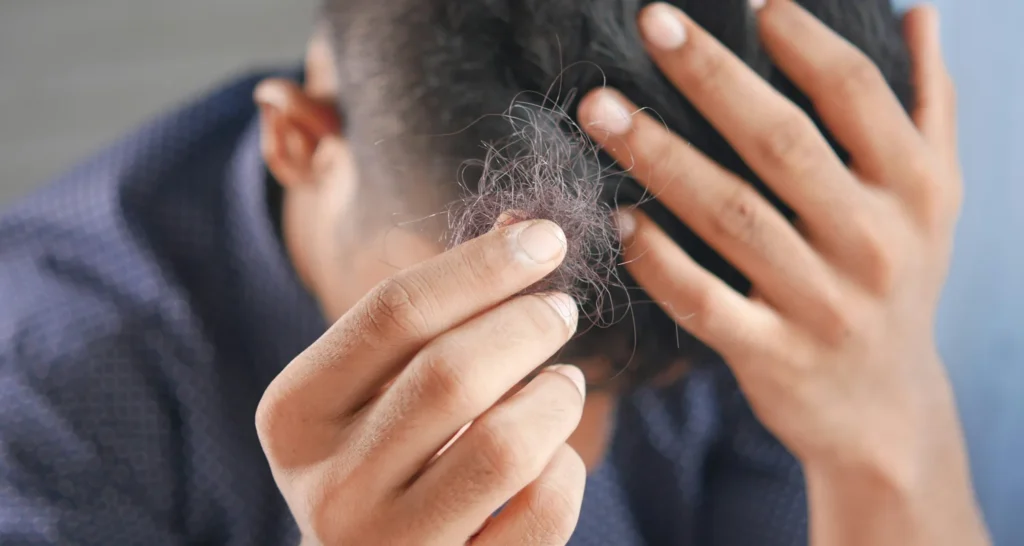
If you’re serious about building muscle, you’ve likely heard the rumours: creatine makes you go bald. It’s one of the most widely debated topics in the fitness world, often causing men to hesitate before taking this proven performance booster. But is there actually any solid evidence behind the scare, or is it just gym folklore? Let’s dive into the science to separate fact from fiction.
- No direct link: Science has not found a direct link between creatine and hair loss.
- The myth’s origin: It stems from a 2009 study on rugby players that showed increased DHT but didn’t measure hair loss.
- Genetic factor: Male pattern baldness is primarily genetic; creatine is unlikely to change your genetic destiny.
- DHT role: While DHT shrinks hair follicles in sensitive men, creatine does not consistently raise DHT levels.
- Safe usage: Creatine monohydrate is the safest form; stick to 3-5g daily.
- Manage stress: High cortisol from overtraining is a more likely culprit for shedding than creatine.
- Consult experts: If you are losing hair, see a doctor rather than just stopping supplements.
The Origin of the “Creatine Causes Hair Loss” Myth
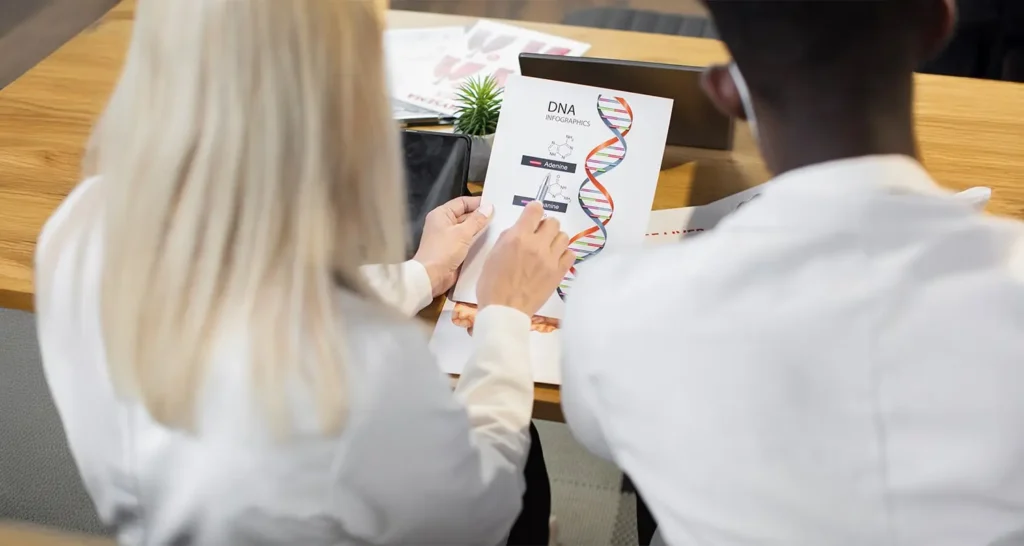
The fear that creatine causes hair loss can be traced back to one specific study conducted in 2009. Researchers in South Africa gave varying doses of creatine to college-aged rugby players over three weeks and measured their hormone levels. They found that levels of dihydrotestosterone (DHT) increased significantly in the creatine group compared to the placebo group, sparking the widespread theory that creatine accelerates balding.
The 2009 Stellenbosch University Study Explained
While the study showed an increase in DHT, it had several limitations that are often overlooked. First, the researchers did not limit the participants’ diet, meaning they could have been consuming other DHT-boosting foods. Crucially, the study did not actually measure hair loss—only hormone levels in the blood. Despite the increase, the DHT levels remained well within the normal clinical range, meaning the “spike” was not necessarily harmful or indicative of prospective hair loss.
Understanding DHT: What It Is and Why It Matters
Dihydrotestosterone (DHT) is an androgen, a male sex hormone derived from testosterone. It plays a crucial role in male development during puberty, responsible for facial hair growth, deep voice, and muscle development. However, in adulthood, high levels of DHT binding to receptors in the scalp can cause hair follicles to shrink, leading to male pattern baldness.
How DHT Affects Hair Follicles
In men genetically predisposed to hair loss, hair follicles are sensitive to DHT. When DHT binds to these follicles, it shortens the growth phase of the hair cycle (anagen) and lengthens the resting phase (telogen). Over time, the hair becomes thinner, shorter, and eventually stops growing altogether. This process, known as miniaturisation, is the primary mechanism behind male pattern baldness, but it relies heavily on genetic sensitivity, not just hormone levels alone.
Does Creatine Actually Increase DHT Levels?
Since the 2009 study, the scientific community has been keen to verify whether creatine consistently raises DHT. Surprisingly, countless subsequent studies have failed to replicate the significant DHT increase seen in the original rugby player trial. Reviews of the literature generally conclude that while creatine may slightly influence testosterone, it does not reliably or significantly boost DHT to levels that would trigger hair loss.
What Recent Studies Say About Creatine and Hormones
A comprehensive review published in the Journal of the International Society of Sports Nutrition examined 12 studies on creatine and testosterone. They found that short and long-term creatine supplementation did not increase total testosterone, free testosterone, or DHT in a way that would contribute to hair loss. This overwhelmingly suggests that the 2009 results were an outlier potentially influenced by other factors like the intense training regime of the rugby players.

The Link Between Creatine and Testosterone
Creatine works by increasing the availability of phosphocreatine in muscles, helping produce ATP for energy. Some users believe it works like an anabolic steroid, artificially boosting testosterone to super-physiological levels. However, creatine is a natural substance found in meat and fish, and its effect on hormones is far milder than synthetic performance enhancers.
Normal Testosterone Fluctuations vs. Hair Loss Risks
Testosterone levels fluctuate naturally throughout the day and in response to exercise. Heavy resistance training itself transiently raises testosterone and DHT, which is a natural physiological response to stress and adaptation. Blaming creatine for hair loss ignores the fact that the intense training associated with creatine use might be a confounding factor. The minor hormonal shifts caused by creatine are not comparable to the drastic changes caused by exogenous steroids.
GET 20% OFF
Use Code: CreatineHair
Why Genetics Play the Biggest Role in Balding
The most important factor in whether you will lose your hair is your DNA. Male pattern baldness, or androgenic alopecia, is a hereditary condition. If your hair follicles are not genetically sensitive to DHT, having higher levels of the hormone won’t make you go bald. Conversely, if you are highly sensitive, even normal levels of DHT can trigger hair loss over time.
If Your Dad Is Bald, Is Creatine Risky For You?
If you have a strong family history of baldness, you are more likely to experience it regardless of supplement use. Creatine does not introduce a new risk factor; at absolute worst, it might theoretically accelerate an existing predisposition, though evidence for even this is weak. For the vast majority of men without this genetic trait, creatine poses zero risk to hairline recession.
Creatine vs. Steroids: Clearing the Confusion
It is vital to distinguish between natural supplements and hormonal drugs. Anabolic steroids often cause hair loss because they are derived from or mimic testosterone and DHT directly, flooding the body with hair-destroying hormones. Creatine, on the other hand, is a collection of amino acids that supports energy production, not a hormone itself.
Why Creatine Is not a steroid
Creatine monohydrate is a safe, legal, and natural dietary supplement. It does not bind to androgen receptors or endocrine glands. Confusing creatine with steroids is a common mistake that fuels the hair loss myth. Steroids carry severe side effects including liver damage and aggressive mood swings, whereas creatine’s safety profile is well-established through decades of research.
What Do Modern Studies Say? (2010–Present)
The landscape of sports nutrition research has evolved significantly. Modern studies use more rigorous controls and larger sample sizes. None of the major studies on creatine in the last decade have listed hair loss as a statistically significant side effect. The anecdotal reports of hair loss are likely due to the “frequency illusion”—men who start losing hair (a common occurrence in one’s 20s and 30s) while taking creatine falsely attribute the natural process to the supplement.
The International Society of Sports Nutrition Stance
The ISSN, a leading authority in the field, explicitly addressed the hair loss question in their position stand on creatine. They stated there is no compelling evidence to suggest that creatine supplementation causes hair loss or baldness. This endorsement reassures athletes that they can enjoy the benefits of creatine without fear of losing their locks.
Who Is Most at Risk of Hair Loss?
Men with a specific genetic profile are the primary candidates for male pattern baldness. This condition affects roughly 50% of men over the age of 50, but it can start in the late teens or early twenties. Those with high sensitivity to DHT are the ones who will experience thinning, recession, and eventual balding.
Recognising the signs of male pattern baldness
Early signs include a receding hairline specifically at the temples (creating an “M” shape) and thinning at the crown. If you notice these patterns, it is almost certainly genetic androgenic alopecia. Blaming your micronised creatine monohydrate is likely ignoring the genetic reality. Understanding your risk profile helps you manage expectations and choose appropriate treatments if desired.
Can Stress Cause Hair Loss Instead?
Telogen effluvium is a form of temporary hair loss caused by stress, shock, or traumatic events. High-intensity training, while good for muscles, is a physical stressor. If you are training hard, dieting strictly, and not sleeping enough, your body produces cortisol. Chronically high cortisol can disrupt the hair growth cycle, leading to shedding.
The impact of high-intensity training on hair health
Athletes taking creatine are often in a phase of intense training. The physical demand coupled with lifestyle stresses can lead to shedding that is mistakenly blamed on the supplement. Managing stress with adaptogens like Ashwagandha KSM-66, usually keeps cortisol in check. Ensuring adequate recovery is just as important for your hair as it is for your muscles.
The Benefits of Creatine for Muscle Growth
Despite the myths, creatine remains the number one supplement for improving performance in the gym. It helps replenish ATP stores, allowing for more reps, heavier lifts, and greater explosive power. This leads to increased muscle mass and strength over time, which is why it is a staple in the regime of bodybuilders and athletes alike.
How creatine monohydrate works
Creatine pulls water into the muscle cells, improving hydration and cell volume, which is a signal for muscle growth. It also helps reduce myostatin levels, a molecule that inhibits muscle growth. To get the best results, look for high-quality powders that mix well and are free from impurities. Check out our guide on the best supplements for muscle growth to see how creatine fits into a complete stack.
Does the Type of Creatine Matter? (Monohydrate vs. Others)
There are many forms of creatine on the market—HCL, ethyl ester, liquid creatine—all claiming to be superior. However, creatine monohydrate is the most researched, safest, and most effective form. Other forms often lack the scientific backing regarding long-term safety and efficacy.
Why Micronised Creatine Monohydrate Is The Gold Standard
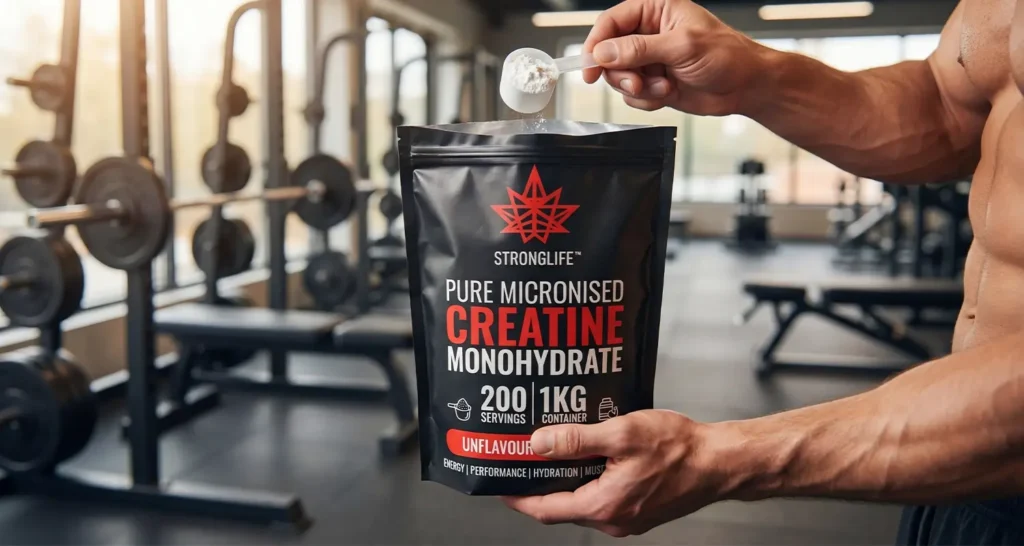
Micronised creatine has been broken down into smaller particles, making it easier to dissolve and absorb. This reduces the risk of stomach upset and ensures the creatine reaches your muscles where it’s needed. Stick to micronised monohydrate for the best balance of results and value. Marketing hype for other “advanced” forms often masks a lack of real evidence.
GET 20% OFF
Use Code: CreatineHair
Potential Side Effects of Creatine That Are Real
While hair loss is a myth, creatine does have some confirmed side effects, though they are generally mild. The most common is water retention, which can cause a temporary increase in weight. This is actually a sign the supplement is working, as water is drawn into the muscles. Some users may also experience digestive issues if they take too much at once.
Bloating and Digestive Discomfort
Taking large doses (like 20g in a loading phase) can lead to bloating or stomach cramps. To avoid this, simply stick to a daily maintenance dose of 3-5g, or split the loading dose into smaller servings throughout the day. Staying well-hydrated is also key to preventing cramps. Just like we discuss in our article on Turkesterone side effects, understanding real risks helps you supplement safely.
How to Mitigate Hair Loss While Training
If you are concerned about your hair health while pursuing fitness goals, there are proactive steps you can take. A diet rich in vitamins and minerals is essential. Ensure you are getting enough protein, iron, zinc, and vitamins A, C, and E. These nutrients establish the foundation for strong hair follicles.
Essential vitamins for hair health
Biotin is particularly famous for supporting hair and nail health. Omega-3 fatty acids found in fish oil can also help nourish the scalp. Avoiding harsh chemical treatments and minimising heat styling can prevent physical damage to the hair shaft. Treatments like minoxidil or finasteride are clinically proven options for genetic hair loss, but they should be discussed with a medical professional.
Should You Stop Taking Creatine If Your Hair Is Thinning?
If you notice your hair thinning, your first instinct might be to flush your creatine. However, since creatine is likely not the cause, stopping it won’t necessarily bring your hair back. The thinning is more likely due to genetics or age. Stopping creatine will only result in a loss of the performance benefits you’ve worked for.
When to see a doctor about hair loss
If hair loss is sudden, patchy, or accompanied by other symptoms, it’s best to see a GP. They can check for underlying issues like thyroid problems or nutritional deficiencies. A dermatologist can diagnose male pattern baldness and recommend an appropriate course of action, which is far more effective than guessing and eliminating supplements at random.
The Role of Diet in Hair Preservation
You can’t out-supplement a bad diet. Your hair follicles are highly active cells that require constant energy and nutrients. A restrictive diet, often adopted by bodybuilders cutting for a show, can deprive hair of what it needs. Crash dieting is a common trigger for telogen effluvium.
Foods that support healthy hair
Include eggs, berries, spinach, fatty fish, and avocados in your diet. These foods provide the antioxidants and healthy fats necessary for scalp health. Staying hydrated is also crucial; dehydration can make hair brittle and prone to breakage. A balanced approach to nutrition supports both muscle gains and a healthy head of hair.

Common Myths About Supplements and Balding
Creatine isn’t the only supplement targeted by rumours. High-protein diets, pre-workouts, and even heavy weightlifting itself have been accused of causing baldness. Most of these claims are unfounded. High protein is essential for hair growth (hair is made of keratin protein), and weightlifting only causes temporary hormonal spikes.
Pre-workouts and hair loss rumours
Some pre-workouts contain high levels of caffeine and other stimulants which can raise cortisol if overused. While not a direct cause of baldness, chronic stress and poor sleep from over-stimulation can contribute to shedding. Always cycle your stimulants and prioritise sleep to keep your body—and hair—healthy.
Safe Supplementation: How to Take Creatine Correctly
To get the most out of creatine with minimal risk, follow the standard dosing protocols. A “loading phase” of 20g per day for 5-7 days can saturate muscle stores quickly, followed by a maintenance dose of 3-5g daily. Alternatively, you can just take 3-5g daily from the start; it will take about a month to saturate, but with less risk of bloating.
Loading phase Vs. daily maintenance
For most people, the daily maintenance approach is simpler and less likely to cause digestive upset. Consistency is key—take it every day, even on rest days. Mixing it with a protein shake or a carbohydrate source can help with absorption. There is no need to cycle off creatine; it is safe for long-term use.
Real-World Anecdotes: What Users Report
If you browse bodybuilding forums, you will find users who swear creatine made their hair fall out. While their experience is real to them, it is important to remember that correlation does not equal causation. Many of these men are at the age where male pattern baldness naturally begins (mid-20s).
Separating correlation from causation
Starting creatine often coincides with getting serious about fitness, which usually happens in young adulthood—the exact same time genetic balding often kicks in. It is easy to blame the new supplement, but the timing is likely coincidental. Thousands of other users take creatine for years with zero impact on their hairline.
Alternatives to Creatine If You Are Still Worried
If the anxiety about hair loss is affecting your peace of mind, it might not be worth taking creatine, simply for your own stress levels. Stress itself is bad for gains and hair! There are other supplements that can support performance, though perhaps not as potently as creatine.
Beta-alanine and Citrulline Malate
Beta-alanine helps buffer acid in muscles, delaying fatigue, while Citrulline Malate improves blood flow and pumps. Neither has any link to hormones or hair loss. These can be great additions to your stack if you decide to skip creatine.
Final Verdict: Should You Worry About Creatine?
Based on the current body of scientific evidence, you should not worry about creatine causing hair loss. It is one of the safest and most effective supplements available. The links to balding are based on a misinterpreted older study and have not been backed up by modern research. Focus on your training, nutrition, and genetics, rather than fearing a scoop of powder.
Summary of the Evidence
Creatine helps you build muscle and strength safely. Unless you are already genetically prone to balding, it is highly unlikely to affect your hair. Even then, the effect is theoretical and unproven. Enjoy your gains with confidence.
Creatine vs. Other Factors
| Factor | Proven Link to Hair Loss? | Mechanism | Risk Level |
|---|---|---|---|
| Creatine Monohydrate | No | Potentially slight DHT increase (disputed) | Very Low |
| Genetics | Yes | Androgen receptor sensitivity | High |
| Anabolic Steroids | Yes | Massive increase in synthetic hormones | High |
| Stress / Cortisol | Yes | Pushes hair into resting phase (shedding) | Moderate |
| Poor Diet | Yes | Nutrient deficiency weakens follicles | Moderate |
It’s clear that compared to genetics and lifestyle factors, creatine ranks very low on the list of things that threaten your hairline. Focusing on diet, stress management, and avoiding harsh chemicals is a far more effective strategy for hair preservation.
GET 20% OFF
Use Code: CreatineHair
Frequently Asked Questions
Does creatine cause hair loss?
Current research does not show that creatine causes hair loss. One small older study suggested a rise in DHT, a hormone linked to male pattern baldness, but later studies have not confirmed this and newer research found no changes in hair growth or DHT levels.
Hair loss is far more commonly linked to genetics, stress, hormones, or health conditions rather than supplements.
What are the downsides of creatine?
Creatine is widely considered safe, but some people notice mild side effects such as water retention, temporary weight gain, bloating, or stomach discomfort, especially with high doses.
These effects are usually manageable by sticking to a daily dose of around 3 to 5 grams and staying hydrated.
Does creatine powder affect your hair?
There is no clinical evidence that creatine directly damages hair follicles or causes shedding. Studies measuring hormones and hair outcomes found no differences between creatine users and placebo groups.
If someone notices hair changes, it is more likely due to genetics, stress, diet, or normal hair cycles.
Will I stop losing hair if I stop taking creatine?
Stopping creatine is unlikely to change hair loss unless the shedding was unrelated or coincidental. Most forms of hair thinning follow genetic patterns or hormonal factors rather than supplement use.
If hair loss continues, it’s best to speak to a GP or trichologist to rule out underlying causes.
Why am I losing so much hair?
Hair shedding can happen for many reasons including stress, illness, hormone changes, nutrient deficiencies, or genetics. Male and female pattern hair loss becomes increasingly common with age and affects a large percentage of adults.
If hair loss feels sudden or severe, medical advice is recommended.
Who should avoid creatine?
Most healthy adults can take creatine safely, but people with kidney issues, liver conditions, or certain medical problems should speak to a healthcare professional first.
It’s also generally not recommended for children or anyone advised by a doctor to avoid performance supplements.
What does creatine do for your hair?
Creatine itself doesn’t improve or harm hair health. Its main role is helping muscles produce quick energy during high-intensity exercise.
Hair changes people notice while training are usually linked to hormones, stress, or diet rather than creatine.
Does 5g of creatine increase DHT?
There is no consistent evidence that a standard 5g daily dose significantly increases DHT levels. Reviews of multiple studies found no meaningful hormonal changes linked to creatine supplementation.
The idea mostly comes from one small early study that hasn’t been replicated.
Are creatine gains permanent?
Creatine helps muscles hold more water and energy, which can improve strength and size. Some of the “full” look may reduce when you stop taking it, but muscle built through training can still remain if you continue exercising.
Think of creatine as a performance enhancer, not a permanent muscle builder on its own.
Why do doctors not recommend creatine?
Many doctors are cautious because supplements aren’t regulated like medications and may not suit everyone. Some healthcare professionals also prefer lifestyle changes first, especially for beginners.
That said, research generally considers creatine safe for healthy adults when used responsibly.
Does creatine raise testosterone?
Most research shows little to no meaningful increase in testosterone levels from creatine use.
Any small hormonal fluctuations seen in studies were within normal ranges and not directly linked to hair loss.
Is it harmful to take creatine every day?
Daily creatine use at recommended doses is considered safe for most healthy adults and has been studied long term.
Problems are more likely when taking excessive amounts or if someone already has kidney issues.
Do you look less ripped on creatine?
Some people feel slightly softer during the first week because creatine pulls water into muscle cells. This isn’t fat gain and often makes muscles look fuller rather than less defined.
Once your body adapts, many people actually look more muscular.
How long should I be on creatine?
There’s no strict time limit. Many people take creatine continuously, while others cycle it depending on their training goals. Studies show long-term use can remain effective and safe for most adults.
Consistency with training matters more than cycling.
Why did I gain 10 pounds after taking creatine?
Rapid weight gain usually comes from water retention inside the muscles, not body fat. Creatine increases cellular hydration, which can add several pounds quickly.
Over time, additional weight may also reflect increased muscle mass from improved training performance.


