


Turkesterone Side Effects: What to Know Before Taking It
Turkesterone Side Effects: What to Know Before Taking It

- Turkesterone side effects are generally mild and may include digestive upset, headaches and mood changes.
- There are no human studies confirming significant benefits or serious harms; research is mostly in animals and cells.
- Because Turkesterone does not affect androgen receptors, it does not raise testosterone or cause hormonal side effects.
- Quality control is a major concern; choose products that are third‑party tested and come from reputable brands.
- Consider proven alternatives like creatine, protein supplements and beta‑alanine before experimenting with unproven compounds.
- Always consult a doctor before starting any new supplement, especially if you have existing health conditions or take medications.
- Ecdysteroids are not currently banned by anti‑doping agencies, but athletes should check guidelines and use batch‑tested products.
Turkesterone has exploded across social media as the “natural alternative” to synthetic anabolic steroids. Many people are curious whether it can build muscle without causing harm. Others worry about hidden risks. This article takes an evidence‑based look at turkesterone side effects and safety so you can make an informed choice.
Quick Answer
Turkesterone is a plant‑based phytoecdysteroid derived from Ajuga turkestanica. Animal studies show it may support protein synthesis and metabolism, but human research is scarce. Most reported turkesterone side effects are mild, such as digestive upset, headaches or changes in mood. Because there are no long‑term clinical trials, any benefits or harms remain potential rather than proven. If you decide to experiment, choose reputable products from brands like Stronglife and talk to doctors beforehand.

What Is Turkesterone and Why Is It Popular?
Turkesterone is a type of ecdysteroid – a group of naturally occurring plant hormones. Unlike anabolic steroids, ecdysteroids do not bind to androgen receptors. In recent years, the fitness community has promoted turkesterone as a legal, plant‑based alternative for muscle growth. Influencers and supplement companies highlight its “anabolic” potential, sparking curiosity among gym enthusiasts.
The Marketing Hype
Many advertisements compare turkesterone with traditional steroids and selective androgen receptor modulators (SARMs). They claim it can increase lean mass without side effects. However, these assertions often rely on rodent studies rather than human trials. Understand that marketing hype may exaggerate both benefits and safety, so it’s important to look at the evidence.
How Does Turkesterone Work In The Body?
Researchers believe turkesterone may influence muscle growth through the PI3K/Akt/mTOR signalling pathway. This pathway regulates protein synthesis and cell growth. In vitro experiments suggest turkesterone might upregulate insulin‑like growth factor‑1 (IGF‑1) and reduce myostatin, a protein that inhibits muscle growth. But these findings are preliminary.
Evidence from Animals and Cells
Studies in castrated rats found that turkesterone supplementation increased muscle mass and total protein content. Similar experiments on cultured muscle cells showed improved protein synthesis rates. While encouraging, these results do not guarantee the same effects in humans. Until controlled clinical trials examine how turkesterone interacts with human metabolism, any claims about its mechanism remain speculative.
GET 20% OFF Use Code: SafeTurk20
Digestive Discomfort: Potential Gastrointestinal Side Effects
Some users report digestive issues such as nausea, bloating, diarrhoea or stomach cramps after taking turkesterone capsules. These side effects are typically mild and transient, resolving as the body adjusts. They may be related to fillers in the supplement rather than the active compound itself.
Minimising Tummy Troubles
To reduce the risk of gastrointestinal upset, take turkesterone with a meal and plenty of water. If symptoms persist, lower the dose or stop use. Always check the ingredient list for common allergens or additives that could cause sensitivity. People with pre‑existing gastrointestinal conditions should consult a healthcare professional before trying any new supplement.

Hormonal Impact: Does Turkesterone Affect Testosterone?
Contrary to some marketing claims, turkesterone does not increase testosterone levels. Ecdysteroids act on different receptors and pathways. Animal studies show potential anabolic effects without altering androgen levels. This is why turkesterone is sometimes called a “non‑hormonal” anabolic agent.
Separating Myth From Science
There are no peer‑reviewed human studies showing that turkesterone raises testosterone or other sex hormones. Claims of hormonal benefits largely stem from anecdotal reports. If maintaining or boosting testosterone is your goal, evidence‑based approaches like adequate sleep, resistance training and diet may offer more reliable results.
Liver and Kidney Considerations
Although animal studies have not linked turkesterone with serious liver or kidney toxicity, long‑term safety remains unknown. The liver and kidneys metabolise and excrete many compounds, so caution is warranted. Some ecdysteroids show low toxicity profiles in rodents, but human metabolism can differ.
Precautionary steps
Individuals with existing liver or kidney issues should avoid turkesterone or consult a medical professional before use. Choosing supplements that have been third‑party tested for purity reduces the risk of contaminants that could strain these organs. If you experience jaundice, dark urine or persistent fatigue, discontinue use and seek medical advice.
Headaches and Dizziness
Another commonly reported side effect of turkesterone is mild headaches or dizziness. These symptoms may arise when starting the supplement or increasing the dose. They are usually transient and may be linked to changes in blood pressure or hydration.
Listening To Your Body
Stay hydrated and monitor your body’s response. If headaches or dizziness persist or worsen, stop taking the supplement. Such symptoms could indicate underlying conditions unrelated to turkesterone. Always err on the side of caution.

Sleep and Mood Changes
Some users describe altered sleep patterns, vivid dreams or mood fluctuations while taking turkesterone. These effects are anecdotal and may be influenced by placebo, training intensity or other lifestyle factors. There is no scientific evidence suggesting that turkesterone directly affects neurotransmitters.
Possible explanations
Ecdysteroids like turkesterone may have mild adaptogenic properties, supporting the body’s response to stress. However, any sleep or mood changes reported by users could be due to variations in exercise, diet or personal expectations. If you experience significant mood disturbances, discontinue the supplement and discuss with a healthcare professional.
Appetite and Weight Fluctuations
Turkesterone does not appear to directly increase appetite or cause significant weight gain. However, some users notice subtle changes in hunger or satiety. These shifts may occur because improved workout performance can increase caloric expenditure, leading to greater hunger.
GET 20% OFF Use Code: SafeTurk20
Balancing calories
To manage appetite changes, ensure you are consuming enough protein and complex carbohydrates to support your activity level. Tracking your food intake can help identify whether weight fluctuations are due to diet rather than turkesterone. Remember, overall energy balance is the primary driver of weight changes.
Cardiovascular Health and Blood Pressure
Current research does not show direct cardiovascular side effects from turkesterone. However, because ecdysteroids can influence metabolic pathways, there is theoretical potential for changes in heart rate or blood pressre. There are no studies measuring turkesterone’s long‑term effects on cardiovascular health in humans.
Monitoring your heart
If you have a history of heart conditions or hypertension, consult your doctor before taking any new supplement. Regularly monitor your blood pressure and heart rate, particularly when beginning a new regimen. Discontinue use if you notice unusual palpitations or blood pressure changes.

Allergic Reactions and Sensitivities
Allergic reactions to turkesterone itself are rare because it is a plant‑based compound. However, supplements may contain additional ingredients or contaminants that trigger sensitivities. Symptoms can include rash, itching, swelling or breathing difficulties.
Safety first
Read labels carefully and choose products with minimal fillers or artificial additives. If you experience an allergic reaction, stop taking the supplement immediately and seek medical help. Those with known allergies to other herbs should be particularly cautious.
Interactions with Medications
There is limited data on how turkesterone interacts with prescription drugs. Ecdysteroids could theoretically affect medications metabolised by the liver or influence blood sugar control. Without human trials, these interactions remain speculative.
Speak with your doctor
Always discuss new supplements with your GP or pharmacist, especially if you take medications for chronic conditions such as diabetes, blood pressure or cholesterol. Healthcare professionals can help assess potential risks based on your personal health profile.
Effects on Women’s Health
Women may wonder whether turkesterone side effects differ for them. Since ecdysteroids do not interact with androgen receptors, they are unlikely to cause masculinising effects. There is no evidence that turkesterone influences oestrogen levels or menstrual cycles.
Pregnancy and breastfeeding
Due to the absence of human safety data, pregnant or breastfeeding women should avoid turkesterone. Hormonal fluctuations during pregnancy and nursing require careful consideration, and introducing untested supplements is not advisable.
GET 20% OFF Use Code: SafeTurk20
Long‑term Safety: Unknowns and Research Gaps
The biggest uncertainty surrounding turkesterone is its long‑term safety. No multi‑year human studies have been published, leaving many questions unanswered. Without data on chronic use, we cannot fully assess risks such as organ toxicity, hormonal imbalances or cumulative side effects.
Future research needs
Researchers need to conduct rigorous randomised controlled trials to determine optimal dosing, efficacy and safety across different populations. Until such data exist, consumers should approach turkesterone with caution and view it as experimental.

Legal status and doping concerns
Turkesterone is currently legal for athletic use because it is not on the World Anti‑Doping Agency’s prohibited list. However, it is on the WADA monitoring list, meaning authorities are watching for misuse. Athletes should remain vigilant, as ecdysteroids could be added to the banned list in the future.
Protecting your eligibility
Use only batch‑tested supplements from reputable suppliers and check resources like the Global DRO before competition. Even if turkesterone itself is permitted, contaminated products could contain banned substances. Keep up with regulatory updates to avoid inadvertent doping violations.
Quality Control and Supplement Purity
Not all turkesterone supplements are created equal. Investigations have found that some products contain little to no active ingredient or include unlisted substances. Poor manufacturing practices and inadequate quality testing can expose consumers to contaminants.
Choosing reputable brands
Look for companies that provide certificates of analysis and adhere to Good Manufacturing Practices (GMP). Third‑party testing ensures the product contains the stated amount of turkesterone and is free from heavy metals, pesticides or banned substances. Reading independent reviews and checking for transparent labelling can also help you make an informed choice.
Comparing Turkesterone to Anabolic Steroids and SARMs
Turkesterone is sometimes marketed alongside anabolic steroids and selective androgen receptor modulators (SARMs), but these categories are very different. Anabolic steroids are synthetic derivatives of testosterone that bind strongly to androgen receptors, producing significant muscle gains but also serious side effects. SARMs target specific tissues to stimulate muscle growth while minimising hormonal impact, but they are still experimental and often illegal.
A safer alternative?
Because turkesterone does not act on androgen receptors and appears to have mild side effects, it may be perceived as safer than steroids or SARMs. However, the lack of human data means we cannot definitively rank its safety. For well‑established results, proven supplements like creatine monohydrate or protein shakes provide reliable, legal performance support.
GET 20% OFF Use Code: SafeTurk20
Alternatives to Turkesterone for Natural Performance
If you are considering turkesterone but wary of unknown risks, there are several evidence‑based alternatives. Creatine monohydrate, for instance, is one of the most researched sports supplements, consistently enhancing strength and power. Protein powder helps meet daily protein requirements for muscle repair. Beta‑alanine can improve high‑intensity exercise endurance, and adaptogenic herbs like ashwagandha may support stress management.
Proven Strategies
Alongside supplements, focus on training principles: progressive overload, adequate recovery and a balanced diet rich in whole foods. These fundamentals form the foundation of sustainable athletic progress. Supplements should complement, not replace, disciplined lifestyle habits.

Final Thoughts: Should You Try Turkesterone?
Turkesterone is an intriguing compound with potential anabolic and adaptogenic properties, but its efficacy and safety in humans remain largely unproven. While most reported turkesterone side effects are mild, the lack of long‑term research means there could be hidden risks. For those who prioritise evidence‑based practice, focusing on well‑studied supplements and training methods is prudent.
Making an informed decision
If you choose to experiment with turkesterone, start with conservative doses, purchase from reputable brands and monitor your body’s response. Always consult a healthcare professional before beginning any new supplement, particularly if you have medical conditions or take medications.
Turkesterone vs Other Supplements
| Supplement | Source | Evidence for effectiveness | Mechanism | Legal status |
|---|---|---|---|---|
| Turkesterone | Extract from Ajuga turkestanica | Limited animal research; no proven human benefits | May modulate protein synthesis via PI3K/Akt/mTOR | Legal but monitored by anti‑doping bodies |
| Creatine monohydrate | Synthesised or found in meat/fish | Strong evidence for strength and power gains | Increases phosphocreatine stores to regenerate ATP | Legal and widely used |
| Beta‑alanine | Synthesised amino acid | Moderate evidence for improving high‑intensity exercise capacity | Boosts muscle carnosine to buffer acidity | Legal and widely used |
| Anabolic steroids (e.g., Dianabol) | Synthetic derivatives of testosterone | Clear muscle‑building effects but severe side effects | Bind strongly to androgen receptors | Controlled substances; banned in sport |
Internal and external links
To explore related topics and products, check out our in‑house guides and supplements:
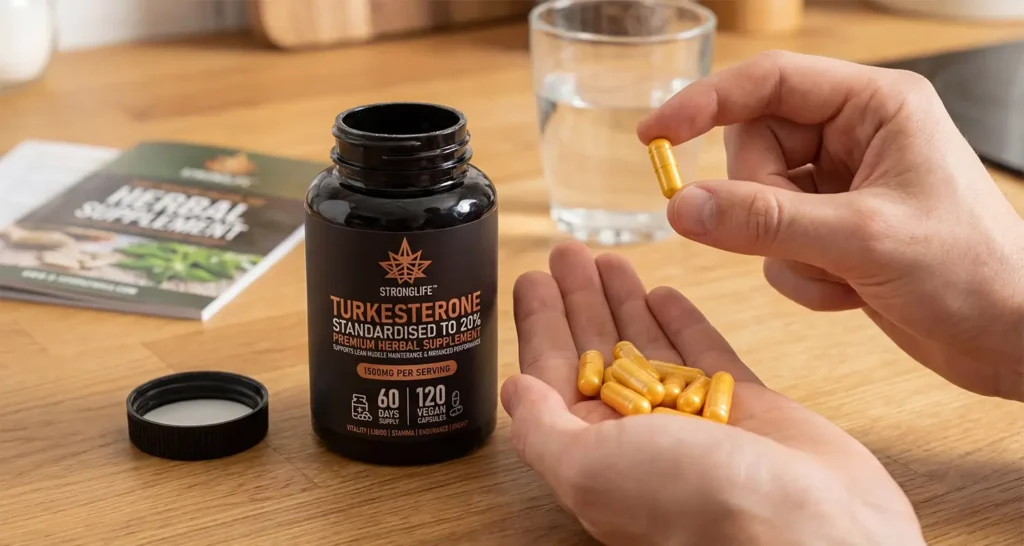
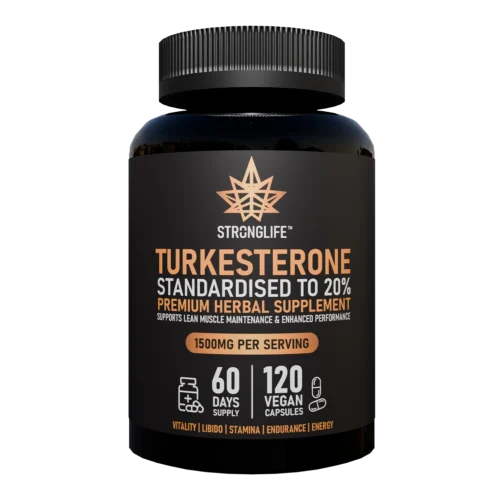
- Our premium Stronglife Turkesterone capsules are batch tested and made in the UK.
- Learn how to mix creatine with protein powder to optimise your post‑workout nutrition.
- Compare with our creatine monohydrate powder for a tried‑and‑tested strength boost.
- Discover traditional adaptogens like ashwagandha for stress management.
Frequently asked questions (FAQ)
Is turkesterone safe to take?
There is no definitive answer because long‑term human studies are lacking. Most reported side effects are mild, such as digestive discomfort or headaches. Use cautiously and consult a healthcare professional.
Does turkesterone raise testosterone or cause hormonal side effects?
No. Turkesterone does not bind to androgen receptors and has not been shown to increase testosterone. It is unlikely to cause hormonal side effects like acne or hair loss.
Can women use turkesterone?
Yes, but women should be aware that there is very little research on turkesterone in female populations. Pregnant or breastfeeding women should avoid it due to unknown risks.
What is the recommended dose of turkesterone?
There is no clinically established dose. Many products suggest between 500 and 1 200 mg per day, divided into two servings. Start with the lowest effective dose and follow product instructions.
Are ecdysteroids banned in sports?
Currently, ecdysteroids like turkesterone are not on the WADA prohibited list, but they are monitored. Athletes should use third‑party tested supplements and check doping guidelines regularly.


